

From plaster mouldings to knob-and-tube wiring, here's what makes Toronto's older homes unique — and which features to preserve, restore, or replace.
Ask ten Torontonians to name the city's best neighbourhood and you'll get ten passionate answers — and they'll all be a little bit right. Toronto is a city of neighbourhoods, each with its own streetscape, its own kind of house, and its own rhythm of life.
We've been renovating homes across this city since 1973. Our office is on Garden Avenue in Roncesvalles, and over five decades our crews have worked on Victorian semis in Riverdale, Tudor Revivals in the Kingsway, Edwardians on the Danforth and Annex-style homes north of Bloor. We've seen what makes each area special — and what each one's houses tend to need.
This guide looks at Toronto's best neighbourhoods from a homeowner's point of view: not just the cafés and parks, but the housing stock, the typical renovation projects, and the things worth knowing before you buy, add on, or renovate.
Direct answer: The best Toronto neighbourhoods for homeowners combine strong community, good transit, parks, and well-built housing. The "best" one depends on your budget, commute, family stage, and whether you want a character home you can renovate over time.

There's no shortage of "best neighbourhood" lists out there. Most are written for renters or weekend visitors. This one is written for people who own — or want to own — a house and live in it for a long time.
We looked at five things:
Every neighbourhood below is one we work in regularly. Where we've completed a project nearby, we've linked to it.
Direct answer: Most of Toronto's most-loved neighbourhoods were built between the 1880s and 1930s. That means beautiful brick homes with real character — and older electrical, plumbing, foundations, and layouts that usually need updating. Choosing a neighbourhood often means choosing a type of house as much as a lifestyle.
| Neighbourhood | Typical home styles & era | Best for | Common renovation projects | Good to know |
|---|---|---|---|---|
| Roncesvalles | Victorian & Edwardian semis and detached, ~1880s–1920s | Young families, walkability | Main-floor gut & open-up, third-floor conversions, basement suites | Narrow lots and tight street parking; experienced site management matters |
| High Park | Edwardian, Arts & Crafts, early-1900s detached and semis | Nature lovers, families | Rear additions, kitchens, basement underpinning | Some properties near ravines fall under extra natural-feature rules |
| Bloor West Village | 1910s–1930s detached and semis | Families wanting a "village" feel | Expanding for growing families, first-floor renovations | Strong demand for family-size space; additions are common |
| The Junction | Mix of Victorian, Edwardian and later homes | Creative, independent spirit | Character-preserving modern renovations | Housing styles vary street to street |
| Etobicoke | Wide range: older pockets plus post-war bungalows | More space, larger lots | Second-storey additions, full renovations | Very large area; character varies by sub-neighbourhood |
| The Kingsway | Tudor Revival, English cottage, Georgian Revival, 1910s–1930s | Established families | Kitchens, additions, sympathetic restorations | Strong architectural character worth respecting |
| The Annex | Annex-style (Romanesque Revival), Victorian, ~1880s–1910s | Urban living near U of T | Whole-home renovations, multi-unit conversions | Parts are in Heritage Conservation Districts |
| Summerhill | Victorian & Edwardian semis and rowhouses | Downtown access, quiet streets | Gut renovations, rear additions | Compact lots; smart space planning is key |
| Rosedale | Victorian, Georgian Revival, Arts & Crafts, 1880s–1930s | Prestige, ravine setting | High-end whole-home renovations | North and South Rosedale are Heritage Conservation Districts |
| Forest Hill | Georgian Revival, Tudor Revival, early-mid 1900s | Large homes, top schools | Luxury renovations, additions, custom millwork | Large lots; mature trees are protected |
| Lawrence Park | Arts & Crafts, Tudor, Georgian, early 1900s onward | Space and greenery | Additions, whole-home updates | Ravine-adjacent properties may need extra approvals |
| Riverdale | Victorian bay-and-gables, Edwardian semis | Skyline views, community | Main-floor renovations, basements, laneway suites | Queen Street East (Riverside) is a Heritage Conservation District |
| Leslieville | Victorian & Edwardian workers' cottages and semis | Young families, food scene | Small-footprint maximizing, rear additions, basements | Smaller homes reward clever design |
| The Danforth | Edwardian semis and detached, early 1900s | Culture, food, subway access | Opening up main floors, basement apartments | Steady demand for income suites |
"Roncy" is home for us — our office has been on Garden Avenue for years, and many of our clients are our neighbours. Roncesvalles Avenue is a true main street: independent bakeries, cafés, butchers, bookshops and the Revue Cinema, with High Park on one side and Sorauren Park on the other.
The houses: Mostly Victorian and Edwardian brick semis and detached homes, many three storeys tall, built on narrow, deep lots. Expect original hardwood, plaster mouldings, and staircases worth saving — alongside knob-and-tube wiring, low basements, and chopped-up floor plans.
Typical renovations: Gutting and opening up the main floor, converting third floors into primary suites, and underpinning basements for family space or a secondary suite. We've completed first- and second-floor renovations here for homeowners like Lindsay and John, and multi-unit renovations on nearby streets.
Good to know: Lots are narrow and street parking is tight, so site logistics — deliveries, bins, neighbour relations — matter as much as the craftsmanship.
High Park the neighbourhood surrounds High Park the park — one of the largest green spaces in the city, with trails, gardens, sports fields and a famous spring cherry blossom display. Bloor Street and the Line 2 subway run along the north edge, making it one of the best-connected "nature" neighbourhoods in Toronto.
The houses: Generous Edwardian and Arts & Crafts homes, many detached, with deep front porches, leaded glass, and big trees.
Typical renovations: Rear additions that open kitchens to the garden, basement underpinning, and whole-home updates that bring 100-year-old systems up to date. Our West Bend clients Minora and Christoph — in a 100-year-old High Park–area home — started with a basement finish and evolved the project into underpinning and a basement apartment with a separate entrance.
Good to know: Properties near ravines or the park's natural areas may be subject to additional City or conservation authority rules. Check before you design an addition.
Bloor West Village has the feel of a small town inside a big city. Its stretch of Bloor Street is lined with independent shops and bakeries — it's widely credited as home to the world's first Business Improvement Area — and it sits between High Park and the Humber River, with Runnymede and Jane subway stations close by.
The houses: Solid 1910s–1930s brick detached and semi-detached homes on quiet, tree-lined side streets.
Typical renovations: Families here tend to stay and grow, so first-floor renovations, kitchen expansions and additions are common. Our Bloor West clients include Veronique, whose semi was opened up into a modern, open-concept main floor, and Gillian and Iain, whose first-floor renovation centred on a new bespoke fireplace.
Named for the railway lines that once converged here, The Junction has reinvented itself as one of Toronto's most creative neighbourhoods — galleries, vintage shops, breweries and independent restaurants along Dundas Street West.
The houses: A genuine mix — Victorian and Edwardian homes alongside later infill. One street can look completely different from the next.
Typical renovations: Homeowners here often want modern interiors that still respect the bones of the house: exposed brick, restored trim, contemporary kitchens.
Good to know: Because styles vary so much, a thorough pre-construction assessment of your house matters more than assumptions about the area.
Etobicoke is less a single neighbourhood than a collection of them, stretching from the lakeshore to the north of the city. For homeowners, its draw is space: larger lots, quieter streets, the Humber River trail system, and lakefront parks.
The houses: Pockets of older homes (especially near the Humber and the Old Mill), plus many mid-century bungalows and side-splits.
Typical renovations: Second-storey additions, full interior renovations, and larger kitchen and family-room expansions that take advantage of bigger lots. We've worked on homes here as complex as a six-storey ravine house in the Old Mill area, where Mark and Lisa's kitchen gut was completed on the 12-week schedule we set.
The Kingsway was developed largely in the 1910s–1930s by Robert Home Smith, who envisioned an English-style garden suburb along the Humber. The result is one of Toronto's most architecturally consistent neighbourhoods: Tudor Revival half-timbering, steep rooflines, stone and stucco, and leaded windows.
The houses: Tudor Revival, English cottage and Georgian Revival homes on curving, tree-lined streets.
Typical renovations: Kitchens and additions designed to blend seamlessly with the original architecture, plus careful restoration of millwork, windows and masonry.
Good to know: In a neighbourhood with this much architectural character, a poorly matched addition stands out. Matching rooflines, materials and trim is worth the investment.
North of Bloor and next to the University of Toronto, The Annex is famous for its "Annex-style" homes — a Toronto take on Richardsonian Romanesque, with rough-cut stone bases, rounded arches, turrets, and red brick.
The houses: Large Victorian and Annex-style houses from roughly the 1880s–1910s. Many were divided into apartments over the years; some have since been returned to single-family homes, while others are being renovated as high-quality multi-unit buildings.
Typical renovations: Whole-home renovations, conversions between single-family and multi-unit, and restoration of exterior detail.
Good to know: Parts of the area, including the East Annex and Madison Avenue, are designated Heritage Conservation Districts, which means exterior changes may need heritage approval.
Tucked between Rosedale and Yonge Street, Summerhill offers quiet residential streets a short walk from Yonge Street shopping and the Summerhill subway station. Its landmark is the restored railway station clock tower, now home to one of the city's best-known LCBO stores.
The houses: Victorian and Edwardian semis and rowhouses on compact lots.
Typical renovations: Gut renovations and rear additions that make the most of narrow footprints — smart storage, borrowed light, and efficient layouts.
Rosedale is one of Toronto's oldest and most prestigious residential areas: winding streets that follow the ravines, mature canopy, and grand homes set back from the road.
The houses: Victorian, Georgian Revival, Arts & Crafts and Tudor Revival homes built from the 1880s through the 1930s.
Typical renovations: High-end whole-home renovations, kitchens with custom millwork, restored façades, and modernized mechanical systems hidden behind heritage interiors.
Good to know: North Rosedale and South Rosedale are both designated Heritage Conservation Districts. Exterior alterations — windows, porches, additions — typically need a heritage permit, so build that into your timeline.
Forest Hill combines large lots, mature trees and some of the city's most respected schools. It's a neighbourhood of substantial family homes, and the opening of Line 5 Eglinton in February 2026 has improved east–west transit across midtown.
The houses: Georgian Revival and Tudor Revival homes, many with generous proportions, formal rooms and detailed millwork.
Typical renovations: Luxury kitchens and baths, additions, and custom millwork that matches or reimagines original details.
Good to know: Large private trees are protected under the City's tree by-law, which can affect where an addition can go. Plan around them early.
Lawrence Park was planned in the early 20th century as a garden suburb, and it still feels like one: winding streets, large lots, ravines and abundant green space, with Yonge Street and the Line 1 subway close at hand.
The houses: Arts & Crafts, Tudor Revival and Georgian Revival homes, many detached on generous lots.
Typical renovations: Additions, main-floor renovations, and whole-home updates. Our Lawrence Park South project transformed a main floor with a new kitchen and living space while respecting the home's original character.
Good to know: Ravine-adjacent properties may fall under the City's ravine protection rules or conservation authority regulations, which can add an approval step.
Riverdale offers one of the best views in the city — the downtown skyline from the hill in Riverdale Park East — plus a lively mix of Broadview and Danforth shops and quick access to the Don Valley trails.
The houses: Victorian bay-and-gable homes (Toronto's signature house style) and Edwardian semis.
Typical renovations: Main-floor and kitchen renovations, basement conversions, and laneway suites on lots with lane access. Our Riverdale multi-room renovation is a good example of updating several spaces at once.
Good to know: The Queen Street East (Riverside) area is a designated Heritage Conservation District.
Leslieville has transformed from a working-class industrial district into one of Toronto's most popular family neighbourhoods, with a celebrated food and coffee scene along Queen Street East. The Ontario Line, under construction, will add a new rapid-transit connection to the area.
The houses: Smaller Victorian and Edwardian workers' cottages, semis and row houses.
Typical renovations: Getting the most from a small footprint — rear additions, dormers, basement underpinning, and clever built-in storage.
Good to know: In smaller homes, every centimetre counts. Good design often delivers more than added square footage.
Known for Greektown and one of the city's liveliest summer festivals, the Danforth combines a strong food and cultural scene with direct Line 2 subway access.
The houses: Edwardian semis and detached homes from the early 1900s, plus pockets of Victorian housing.
Typical renovations: Opening up main floors, adding second bathrooms, and creating basement apartments for rental income or family. Nearby, our Woodbine Heights clients Jenna and Chris completed a design-build renovation of their older east-side home.
Toronto has far more great neighbourhoods than one post can cover. A few others we work in often:
Direct answer: Start with how you live, not with a list. Rank your priorities — commute, schools, green space, walkability, budget, and home size — then look at the houses in each area. A slightly smaller or older home in the right neighbourhood can often be renovated into exactly what you need.
Questions worth asking:
| If your priority is… | Neighbourhoods to look at |
|---|---|
| Walkable main street & village feel | Roncesvalles, Bloor West Village, Leslieville, the Danforth, Summerhill |
| Parks and nature | High Park, Lawrence Park, Rosedale, The Kingsway, Etobicoke |
| Larger lots & room to grow | Etobicoke, The Kingsway, Forest Hill, Lawrence Park |
| Subway access | Bloor West Village, High Park, The Annex, the Danforth, Summerhill, Rosedale |
| Architectural character | The Annex, Rosedale, The Kingsway, Riverdale, Cabbagetown |
| Income-suite potential | The Danforth, Riverdale, Roncesvalles, Leslieville, The Junction |
Buying with renovation in mind? Before you firm up an offer on an older home, it's worth having a contractor experienced with older houses look at the structure, foundation, and systems alongside your home inspector. Knowing whether a home needs $50,000 or $500,000 of work changes what it's really worth to you. (See our Toronto renovation cost guide for typical project ranges.)
Wherever you land, a few city-wide realities apply:
Oriel Renovations is a family-run general contractor that has been renovating Toronto homes since 1973. Older and century homes aren't a sideline for us — they're our specialty. Most of our work comes from referrals and repeat clients, often neighbours of homeowners we've already worked with.
Thinking about buying, renovating or adding space in one of Toronto's great neighbourhoods? Request a consultation — we'd be glad to walk through your home and your plans.
Popular family neighbourhoods include Bloor West Village, Roncesvalles, High Park, Leslieville, Lawrence Park and The Kingsway, thanks to parks, schools, and walkable main streets. The best fit depends on your budget, commute, and the size of home you need.
Many central and inner-suburban neighbourhoods are dominated by homes built between the 1880s and 1930s, including Cabbagetown, Riverdale, Leslieville, the Danforth, Roncesvalles, Parkdale, The Annex, Rosedale and Summerhill.
Many Toronto homeowners choose to buy in the neighbourhood they love and renovate over time. Older homes in established areas often have better locations and more character, but they usually need updated systems. Get a realistic renovation estimate before you buy — our Toronto renovation cost guide is a good starting point.
Often, yes. Toronto permits multiplexes of up to four units across residential neighbourhoods, and garden or laneway suites on many lots. Additions depend on zoning, lot size, heritage status and trees. A pre-construction assessment will tell you what's realistic for your property.
If your home is in a Heritage Conservation District or is individually designated, exterior changes typically need a heritage permit from the City. Interior renovations are usually less restricted. Always confirm with the City before you start.
We work across most of Toronto, with the majority of our projects in The Annex, Bloor West Village, the Danforth, Etobicoke, Forest Hill, High Park, The Junction, The Kingsway, Lawrence Park, Leslieville, Riverdale, Roncesvalles, Rosedale and Summerhill. See our service area page.
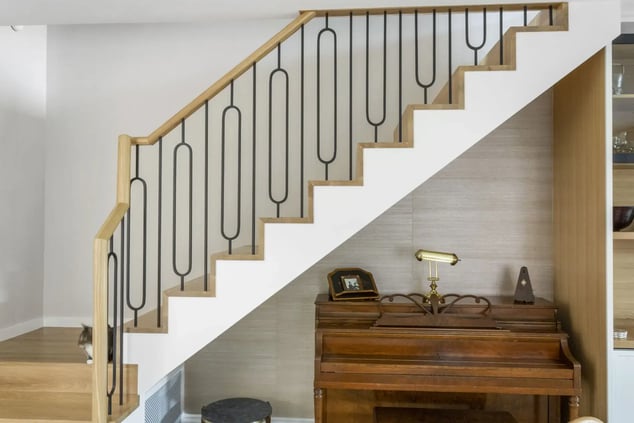
From plaster mouldings to knob-and-tube wiring, here's what makes Toronto's older homes unique — and which features to preserve, restore, or replace.
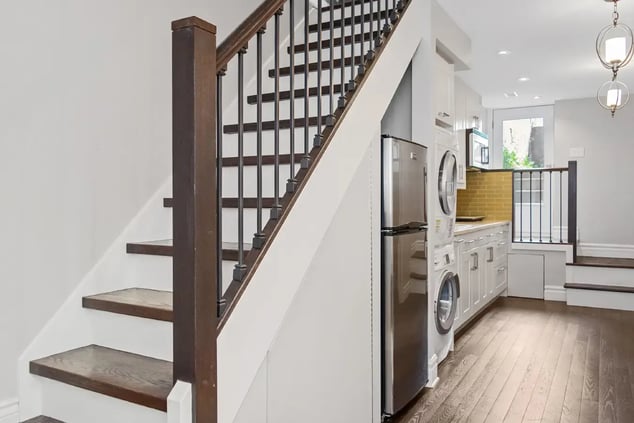
This is a complete guide to building a legal basement apartment in Toronto. We cover ceiling heights, fire codes, egress, permits, costs, and more!
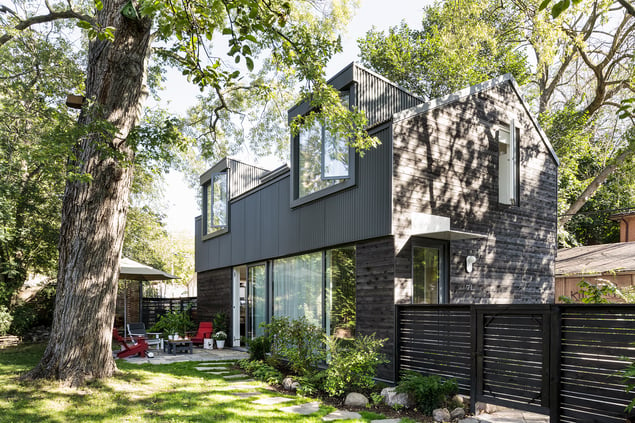
From rear extensions to second-storey additions and laneway suites, here are 7 common types of home additions in Toronto and when each one makes sense.
Why do Toronto homeowners trust Oriel Renovations with their home renovations? Seven reasons, from 50+ years of older-home expertise to fixed-cost pricing.
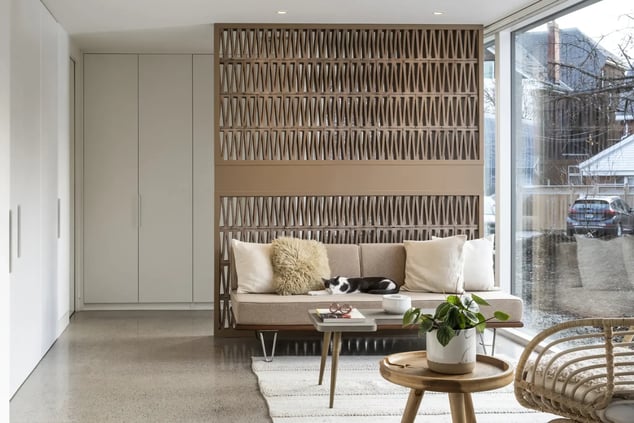
Here are the hard questions every Toronto homeowner should ask a general contractor or renovation company before hiring them, answered honestly.
Wondering if you can stay in your home during a Toronto renovation? We break down when it works, when to move out, and how to decide.
Planning a Toronto renovation or addition? Learn whether you need an architect or interior designer and how to get started.
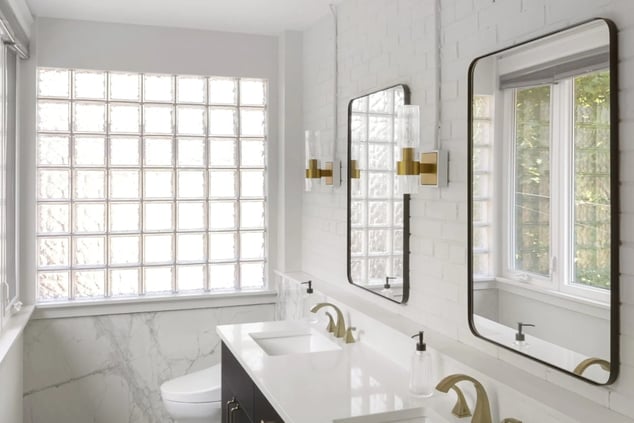
Discover bathroom renovation costs in Toronto. Explore pricing by type, square foot, and area with Oriel Renovations’ expert guidance.

Learn outdoor renovation costs in Toronto including decks, patios, and custom features to help you plan with confidence.
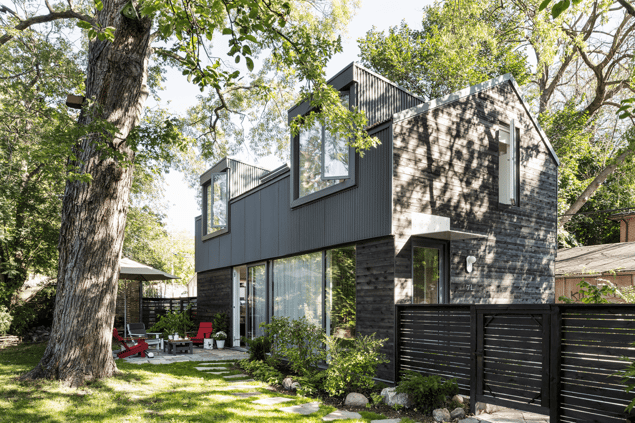
Toronto laneway house and garden suite costs explained. Learn pricing, key factors, and what to expect before you build.

Understand fixed cost vs cost plus renovation pricing in Toronto. Learn which model gives you better budget control.
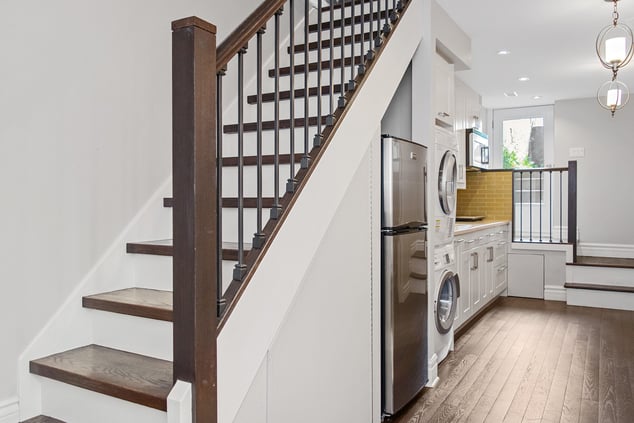
Discover home addition costs in Toronto. Learn pricing by type, size, and key factors to plan your renovation confidently.
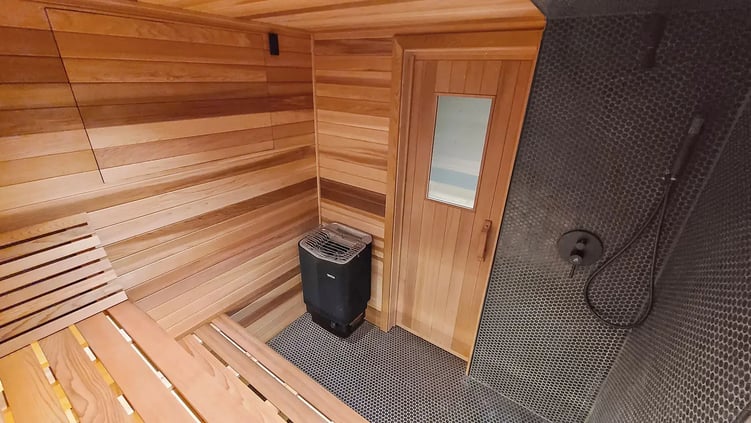
Toronto home saunas bring affordable luxury and wellness home. Discover placement, materials, and heating options for your perfect relaxation space.
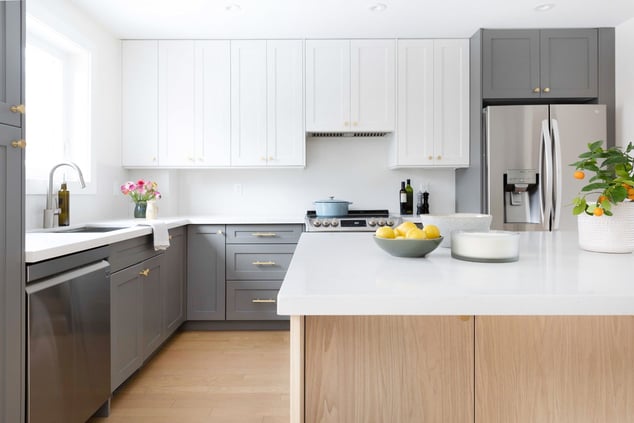
Transform your Toronto kitchen with smart design, modern finishes, and quality craftsmanship that elevate everyday living.

Find the right Toronto renovation company with these top tips on quality, communication, and expertise.
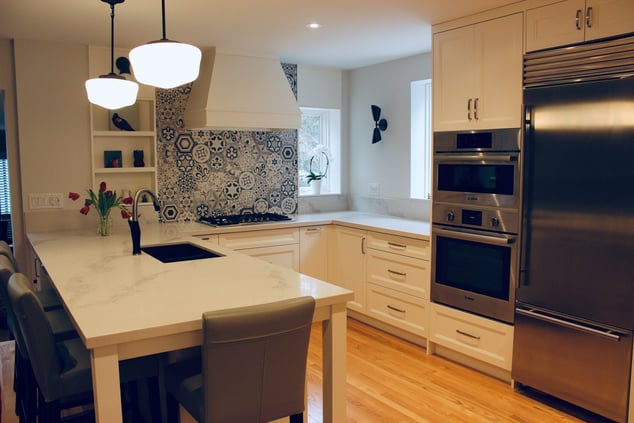
Discover the most important things to know before renovating your Toronto home, from permits to budgeting and design.
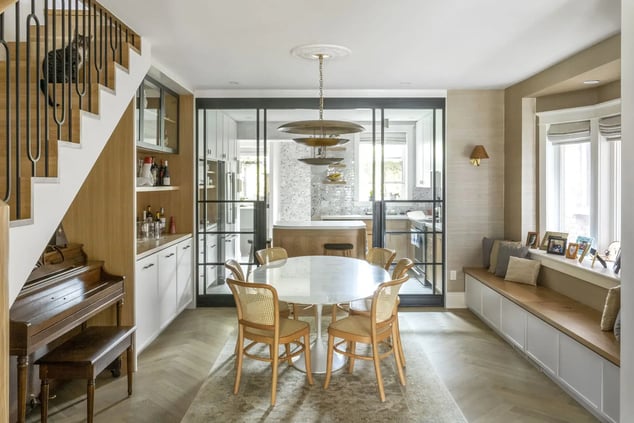
Discover home renovation costs in Toronto. See pricing by room and what impacts your budget before you start your remodel.
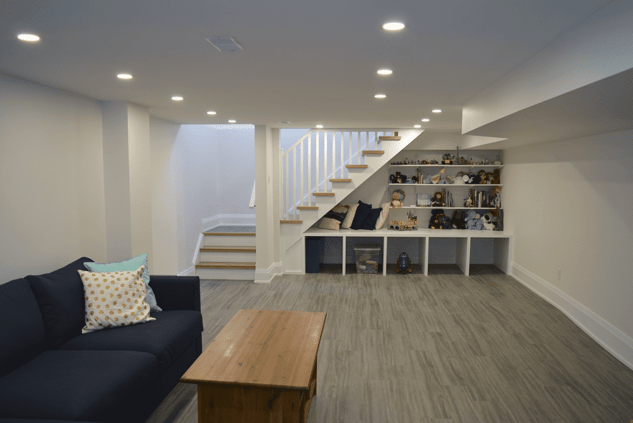
Discover basement renovation costs in Toronto. Learn price ranges, key factors, and how to plan your lower-level remodel.
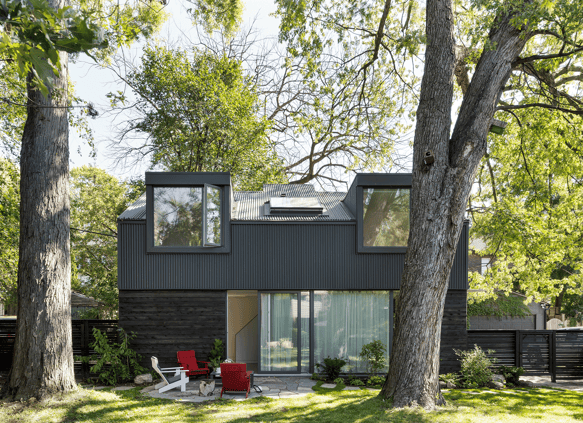
Plan a laneway house or garden suite in Toronto with confidence. Explore costs, bylaws, features, and Oriel Renovations' design build process.
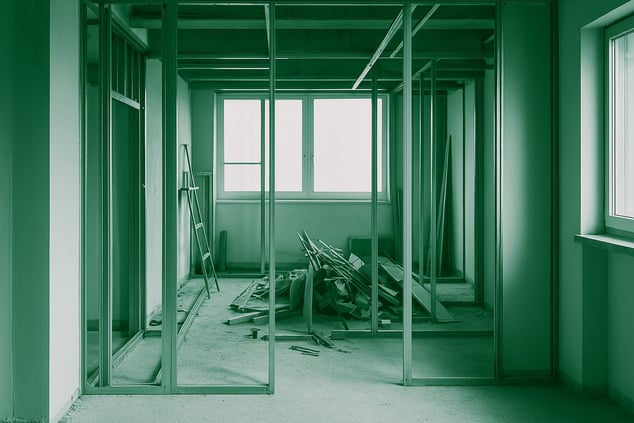
Avoiding renovation nightmares in Toronto boils down to meticulous planning and clear communication. Many issues arise from rushing into projects without a clear understanding of the scope, which leads to unrealistic timelines and budgets. By comprehensively understanding your renovation project through a Pre-construction Process, you can set a solid foundation. Proper documentation and clear, ongoing communication further safeguard against common pitfalls, ensuring your renovation dream doesn’t turn into a distressing reality.