

Planning a Toronto renovation or addition? Learn whether you need an architect or interior designer and how to get started.
Can you live in your home during a Toronto renovation? Sometimes—it depends on the scope. You can usually stay during smaller, contained projects like a single bathroom, a basement finish, or a kitchen-only renovation with a backup cooking setup. You'll generally need to move out for whole-home renovations, full-floor gut jobs, projects that take out your only kitchen or bathroom, or additions that open up your home's exterior. The deciding factors are which essential systems stay running, how much dust and noise the work creates, and whether the site is safe to occupy.
It's one of the first questions almost every homeowner asks us, and it's a good one. Moving out is expensive and disruptive. Staying put, if it's possible, saves money and stress. But staying when you shouldn't can turn an exciting project into months of misery—or worse, a safety problem.
Here's how to think it through honestly, based on what we've seen across hundreds of Toronto renovations.

You can often remain in your home when the work is contained to one area and your essential systems—kitchen, at least one bathroom, heat, water, and power—keep running. Projects that frequently allow it:
Even in these cases, "staying" comes with real trade-offs in noise, dust, and daily disruption—covered below.
Some projects make living on-site genuinely impractical or unsafe. Plan to relocate for:
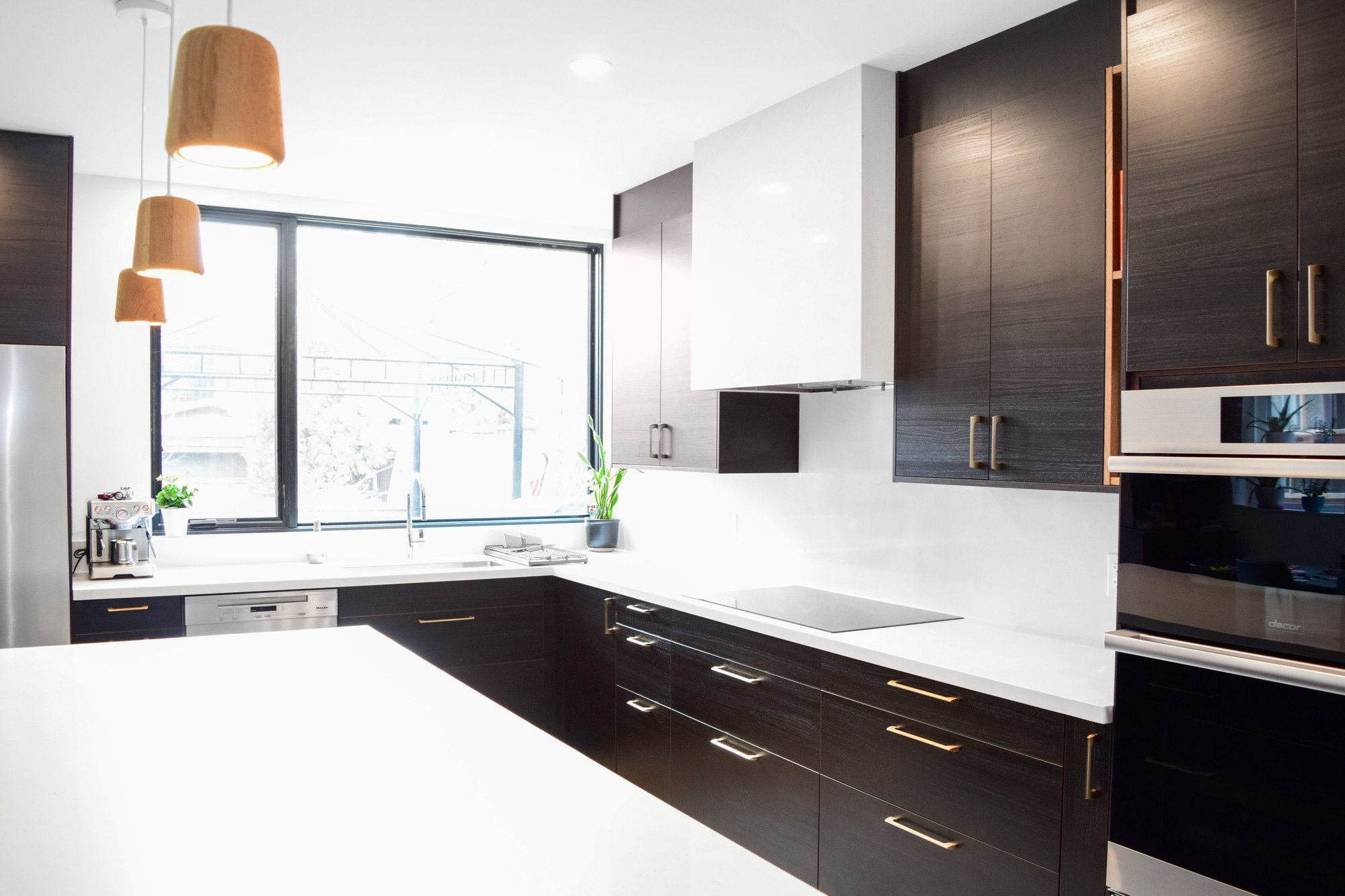
In one of our projects, a family planned to move out for six months during a full ground-floor renovation of their 100+ year-old semi—and moved back in to enjoy the new space on Christmas morning. For a project that size, relocating was the right call, and the planning made it smooth.
When we sit down with homeowners, these are the questions that actually determine the answer.
| Factor | Stay is more feasible if… | Move out is wiser if… |
|---|---|---|
| Scope | One contained room or area | Whole home, full floor, or major structural work |
| Kitchen | Untouched, or you can set up a temp kitchen | Your only kitchen is being gutted |
| Bathrooms | A second working bathroom remains | Your only bathroom is out of service |
| Essential systems | Heat, water, power stay on | Utilities will be off for extended periods |
| Household | Adults, flexible schedules | Young kids, health sensitivities, pets |
| Duration | Days to a few weeks | Many months |
| Dust & air quality | Work is sealed off from living areas | Open demolition throughout the home |
If you do stay, it helps to know what you're signing up for. Even a well-run, tidy site—and we pride ourselves on tidy sites—comes with realities:
None of this is a reason to panic—thousands of Torontonians live through renovations every year. But going in with clear expectations is what keeps it from feeling like a surprise.
If staying is the right call for your project, a few things make a big difference:
There's no universal answer—only the right answer for your home and project. During our pre-construction process, we walk through your scope, your household, and your timeline, and we give you an honest recommendation. Our clients consistently tell us they valued straight answers over a sales pitch: an objective look at the trade-offs so they could make the call with confidence.
If moving out is the smart move, we'll help you plan the timing so the disruption is as short and predictable as possible. If you can stay, we'll sequence the work and seal off the site to make daily life as livable as we can.
Often yes, if you set up a temporary kitchen and can manage several weeks without your main one. The bigger challenge is usually the loss of cooking and washing-up space rather than safety. Many homeowners stay; some choose a short relocation during the dustiest phases.
In almost all cases, yes. Whole-home and full-gut renovations take the house back to the studs, shut down systems, and create site-wide dust and safety hazards. Relocating for the duration is standard—and with good planning, predictable.
It tracks the project timeline. Single-floor renovations typically run 3–6 months; whole-home renovations 6–12 months or more. We give you a realistic timeline during pre-construction so you can plan housing accordingly.
For contained projects, it can be, with proper dust sealing and a protected clean zone. For larger projects—or households with young children, pets, or anyone with respiratory sensitivities—moving out is usually the safer and less stressful choice.
It can save on temporary housing, but weigh that against the daily disruption, slower progress in occupied homes, and the toll on your routines. Sometimes a shorter, move-out renovation that lets crews work efficiently is the better overall value.
This is a topic homeowners care about a lot. If you're weighing a renovation or addition and want an honest read on whether you can stay, reach out—we're glad to help you think it through.
Planning a Toronto renovation or addition? Learn whether you need an architect or interior designer and how to get started.

Discover bathroom renovation costs in Toronto. Explore pricing by type, square foot, and area with Oriel Renovations’ expert guidance.
![How Much Will My Outdoor Space Renovation Cost in Toronto? [2026]](https://orielrenovations.com/hs-fs/hubfs/Oriel%20Renovations%20Theme%202025/Blog/how-much-will-my-outdoor-space-renovation-cost-in-toronto.webp?width=1210&height=423&name=how-much-will-my-outdoor-space-renovation-cost-in-toronto.webp)
Learn outdoor renovation costs in Toronto including decks, patios, and custom features to help you plan with confidence.
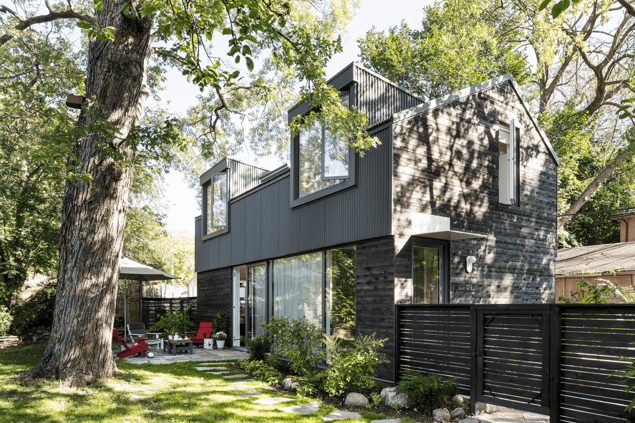
Toronto laneway house and garden suite costs explained. Learn pricing, key factors, and what to expect before you build.

Understand fixed cost vs cost plus renovation pricing in Toronto. Learn which model gives you better budget control.
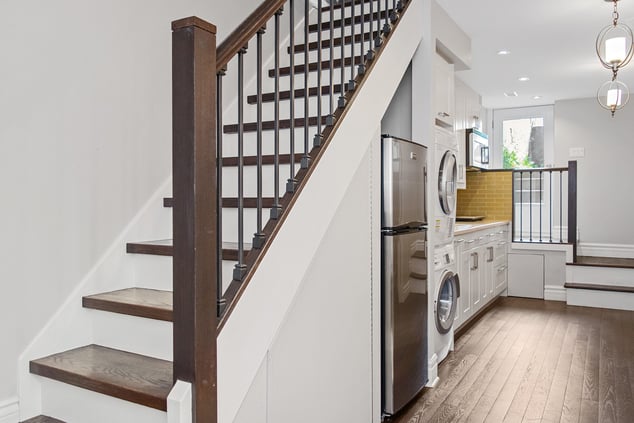
Discover home addition costs in Toronto. Learn pricing by type, size, and key factors to plan your renovation confidently.
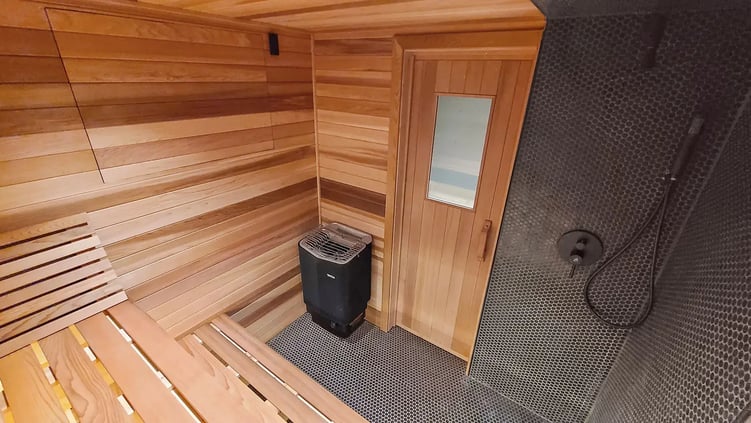
Toronto home saunas bring affordable luxury and wellness home. Discover placement, materials, and heating options for your perfect relaxation space.
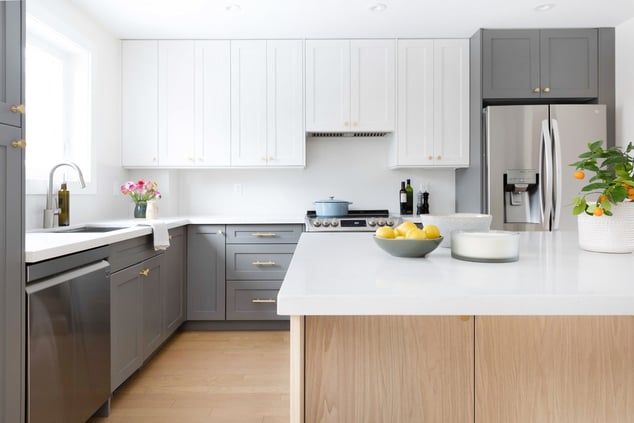
Transform your Toronto kitchen with smart design, modern finishes, and quality craftsmanship that elevate everyday living.
![5 Things to Look for in a Toronto Renovation Company [Only a Few Have #3]](https://orielrenovations.com/hs-fs/hubfs/Imported_Blog_Media/DSC_0218.png?width=1210&height=423&name=DSC_0218.png)
Find the right Toronto renovation company with these top tips on quality, communication, and expertise.
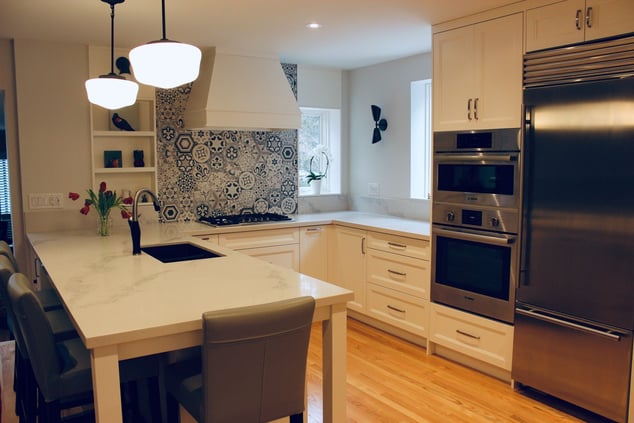
Discover the most important things to know before renovating your Toronto home, from permits to budgeting and design.
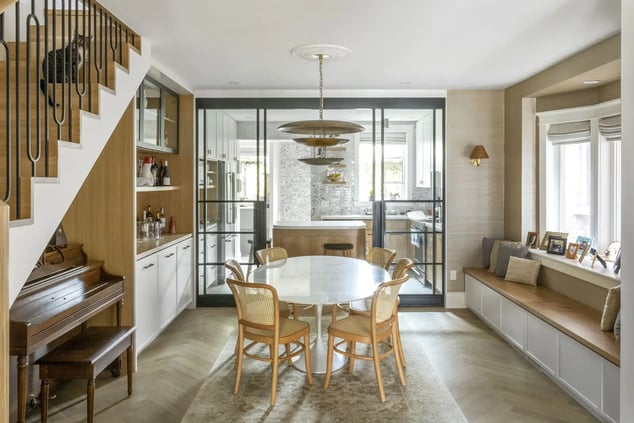
Discover home renovation costs in Toronto. See pricing by room and what impacts your budget before you start your remodel.
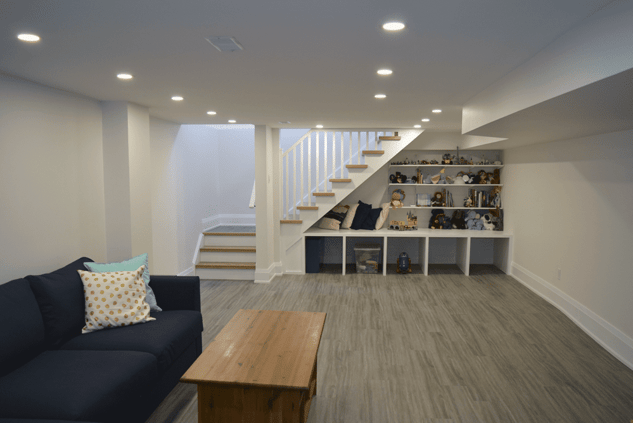
Discover basement renovation costs in Toronto. Learn price ranges, key factors, and how to plan your lower-level remodel.
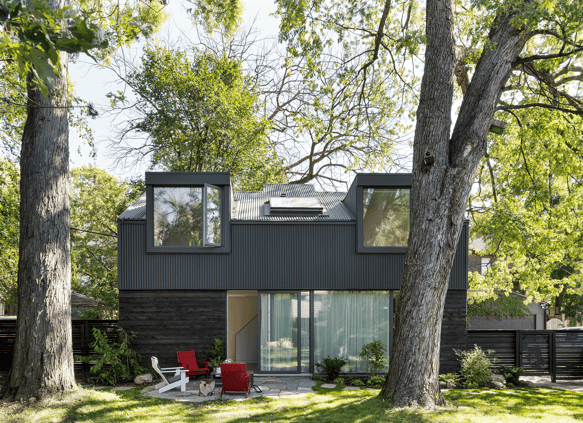
Plan a laneway house or garden suite in Toronto with confidence. Explore costs, bylaws, features, and Oriel Renovations' design build process.
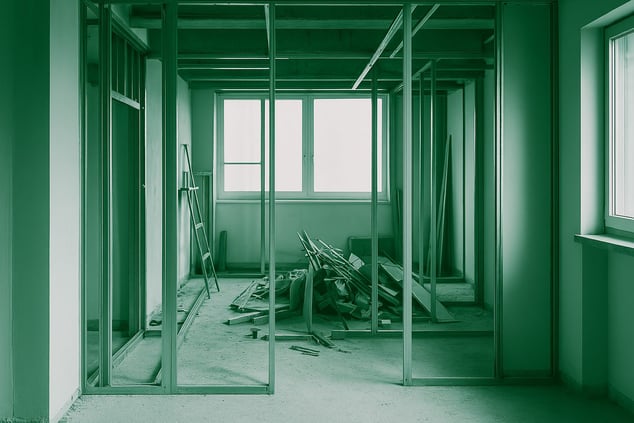
Avoiding renovation nightmares in Toronto boils down to meticulous planning and clear communication. Many issues arise from rushing into projects without a clear understanding of the scope, which leads to unrealistic timelines and budgets. By comprehensively understanding your renovation project through a Pre-construction Process, you can set a solid foundation. Proper documentation and clear, ongoing communication further safeguard against common pitfalls, ensuring your renovation dream doesn’t turn into a distressing reality.

From pre-construction planning to the final walkthrough, learn how long a Toronto home renovation takes and what to expect at every stage of the process.

Keep your older Toronto home renovation on time with smart planning, permits, and clear communication to avoid delays and budget issues.
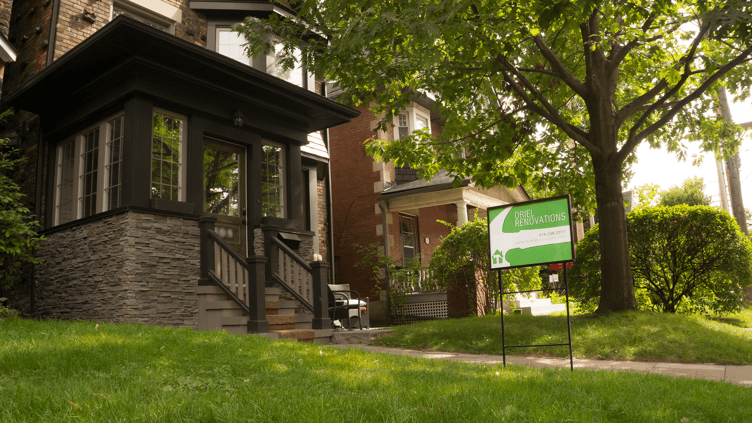
Guide to older and century home renovations in Toronto. Learn about costs, challenges, permits, and how to plan your renovation.