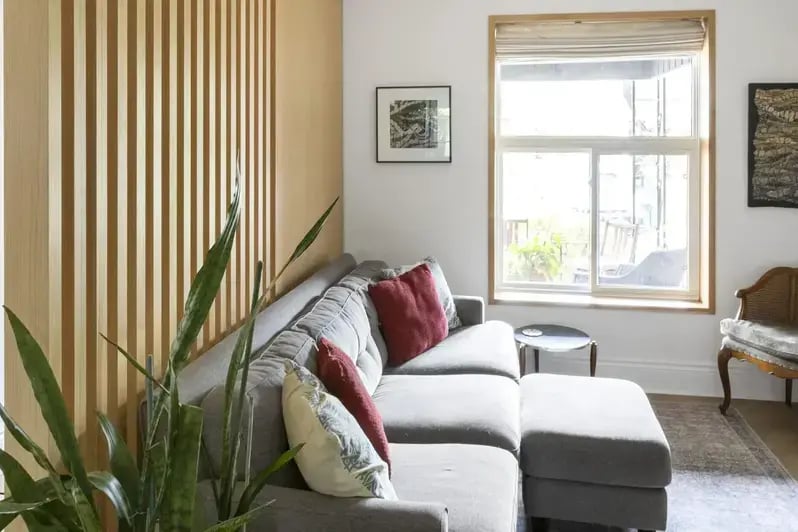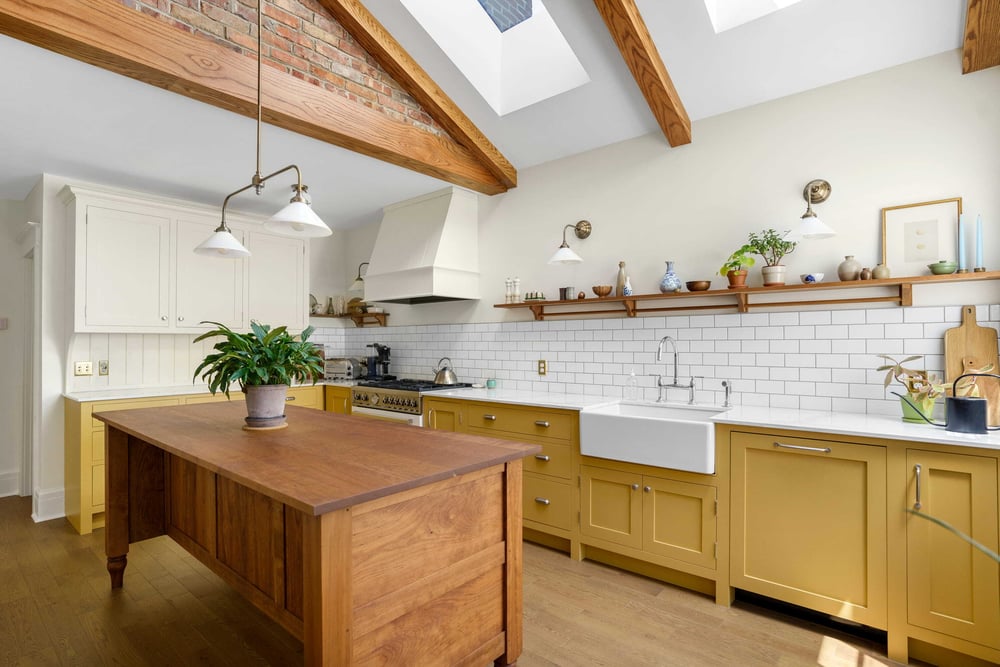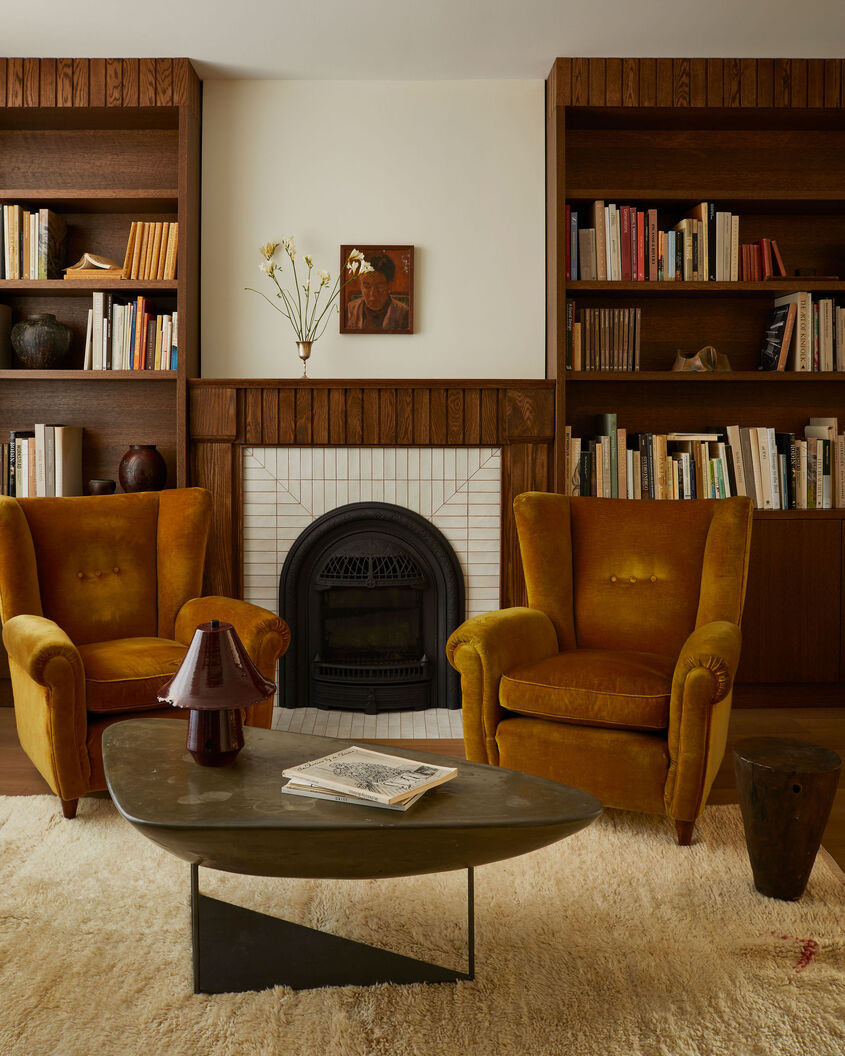
Toronto was built on its older homes. The Victorians of Cabbagetown, the Edwardians of the Annex and High Park, the century semis of Roncesvalles and Leslieville—these houses give our neighbourhoods their character. They were also built more than a hundred years ago, and renovating one is nothing like renovating a new build.
At Oriel Renovations, older homes are not a sideline. They are what we do. Since 1973, we have spent more than five decades learning how Toronto's century homes are put together—how they were framed, where they fail, and how to bring them into the present without erasing what makes them worth keeping. We strengthen what has already stood the test of time, and we add the comfort, efficiency, and function a modern family needs.
If your home has plaster walls, a rubble-stone foundation, knob-and-tube wiring in the attic, or a layout that made sense in 1910 but doesn't today, you are exactly the homeowner we built this company for.
In short: Oriel Renovations specializes in renovating Toronto's century, historic, Victorian, and Edwardian homes—preserving their original character while upgrading structure, systems, and livability. We've worked on older Toronto homes since 1973.
These terms get used interchangeably, but they mean different things—and the difference affects what you can and can't do to your home. Here's how we explain it to clients.
What It Means:
A home roughly 100 years old or older. A description of age and construction, not a legal status.
Renovation Implications:
No special permissions required beyond standard permits, but the construction methods (plaster, balloon framing, old foundations) demand an experienced older-home contractor.
What It Means:
Property is on the City of Toronto's Heritage Register but not legally protected.
Renovation Implications:
Demolition requires notice to the City; most interior and many exterior changes proceed normally.
What It Means:
Legally protected under the Ontario Heritage Act for architectural, historical, or cultural significance.
Renovation Implications:
Changes to protected features (often the façade, roofline, windows) require a Heritage Permit. Interiors are frequently still open to renovation.
What It Means:
The whole neighbourhood's character is protected, not just one building.
Renovation Implications:
Work visible from the street is reviewed against district guidelines. Rear and interior work usually has more freedom.
What It Means:
Ornate detailing, steep roofs, bay windows, decorative trim, narrow deep lots.
Renovation Implications:
Often original plaster, lath, and intricate millwork worth preserving or replicating.
What It Means:
Simpler, squarer, larger rooms, red brick, generous front porches.
Renovation Implications:
Solid construction; common needs are systems upgrades and opening up compartmentalized layouts.
What It Means:
A home roughly 100 years old or older. A description of age and construction, not a legal status.
Renovation Implications:
No special permissions required beyond standard permits, but the construction methods (plaster, balloon framing, old foundations) demand an experienced older-home contractor.
What It Means:
Property is on the City of Toronto's Heritage Register but not legally protected.
Renovation Implications:
Demolition requires notice to the City; most interior and many exterior changes proceed normally.
What It Means:
Legally protected under the Ontario Heritage Act for architectural, historical, or cultural significance.
Renovation Implications:
Changes to protected features (often the façade, roofline, windows) require a Heritage Permit. Interiors are frequently still open to renovation.
What It Means:
The whole neighbourhood's character is protected, not just one building.
Renovation Implications:
Work visible from the street is reviewed against district guidelines. Rear and interior work usually has more freedom.
What It Means:
Ornate detailing, steep roofs, bay windows, decorative trim, narrow deep lots.
Renovation Implications:
Often original plaster, lath, and intricate millwork worth preserving or replicating.
What It Means:
Simpler, squarer, larger rooms, red brick, generous front porches.
Renovation Implications:
Solid construction; common needs are systems upgrades and opening up compartmentalized layouts.
Direct answer: A "century home" describes a house about 100+ years old, while "heritage" refers to a legal recognition under the Ontario Heritage Act. Most Toronto older homes are century homes without a heritage designation—meaning you have considerable freedom to renovate. Oriel helps you confirm your home's status before you plan.
A Victorian home renovation in Toronto calls for a careful hand, because these are some of the most characterful—and most complex—houses in the city. Decorative plaster, original trim profiles, narrow staircases, and additions layered on over a century all need thoughtful attention. We restore and replicate the details worth keeping while quietly modernizing everything behind the walls.
An Edwardian home renovation in Toronto rewards the effort, thanks to the larger rooms and solid brick construction these homes give us to work with. The most common requests we hear: open up the main floor, modernize the kitchen and bathrooms, and bring the wiring, plumbing, and insulation up to current standards—without losing the porch, the proportions, or the warmth.
A century home renovation in Toronto is our bread and butter—the 100-year-old semi is the backbone of neighbourhoods like Roncesvalles, Parkdale, Leslieville, and Bloor West Village. We've renovated dozens of them, gutting and rebuilding floors, underpinning basements, and reworking awkward, wall-heavy layouts into bright, connected living spaces.
A historic home renovation in Toronto is about extending a building's life, not erasing its past, and that balance is exactly what we've practised since 1973. From masonry and original windows to plaster and stained glass, we preserve the features that give a historic home its value while integrating the structure, insulation, and systems a modern household needs.
A bay-and-gable home renovation in Toronto is renovation work on the city's most iconic older house style—the tall front bay window crowned by a steep gable that defines streets across Parkdale, Cabbagetown, Trinity-Bellwoods, Little Italy, and Roncesvalles. These narrow, deep Victorian-era homes were built to a standard pattern, and we know their quirks intimately: maximizing the light those big bay windows were designed to capture, opening up the long floor plan, and restoring the ornate rooflines and trim that make them unmistakably Toronto.
A Georgian home renovation in Toronto means working with symmetry, formal proportions, and the quiet dignity these brick-and-stone homes are known for, common in established neighbourhoods like Rosedale, Forest Hill, Lawrence Park, The Kingsway, and Leaside. We respect the balanced façades, centred entries, and refined detailing while modernizing the interiors and systems for how families actually live today.
A Tudor Revival home renovation in Toronto calls for an eye for craftsmanship, given the half-timbering, leaded windows, steep multi-gable roofs, and stone or stucco façades that give these homes their storybook character, found in Old Mill, Forest Hill, Rosedale, and Baby Point. We restore and replicate that distinctive exterior detailing while bringing comfort, efficiency, and modern function to the rooms behind it.
A heritage home renovation in Toronto adds a layer of planning on top of the building work, and we manage both. When a home is heritage-designated or sits in a Conservation District, we coordinate with heritage consultants and architects, prepare the documentation the City needs, and sequence the work to protect the features that are legally and historically significant. We also renovate distinctive local styles such as the grand, eclectic Annex-style homes of the Annex and Yorkville, where Romanesque and Queen Anne influences call for specialized care.
Older homes ask for more than cosmetic updates—they need structure, systems, and original character handled together by one experienced team. Across more than five decades of work on Toronto's century and historic homes, these are the services homeowners rely on us for most.
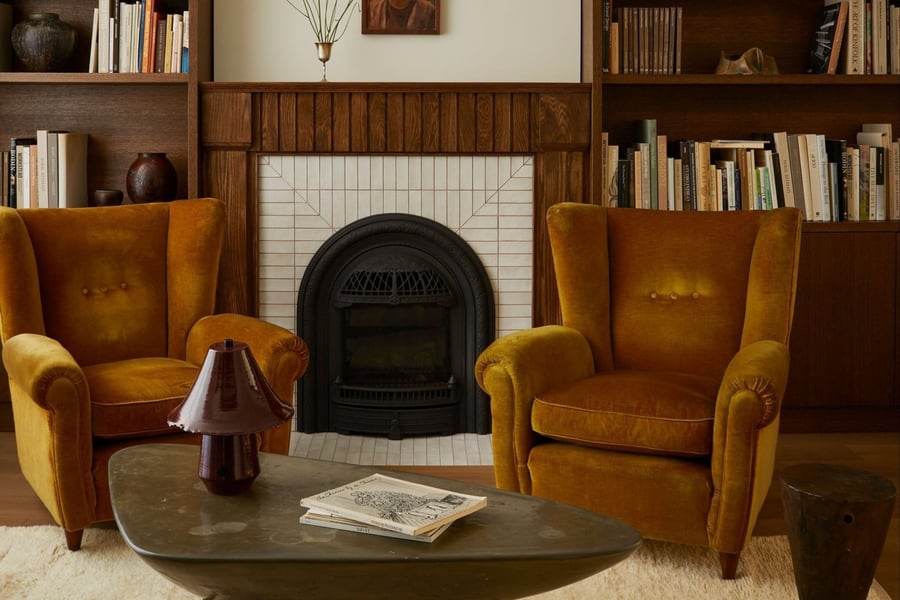
The most valuable thing we do for an older home is reimagine how it lives. We gut and rebuild full interiors or single floors, opening up the awkward, wall-heavy layouts common in century homes into bright, connected spaces—while keeping the character that makes them worth saving.
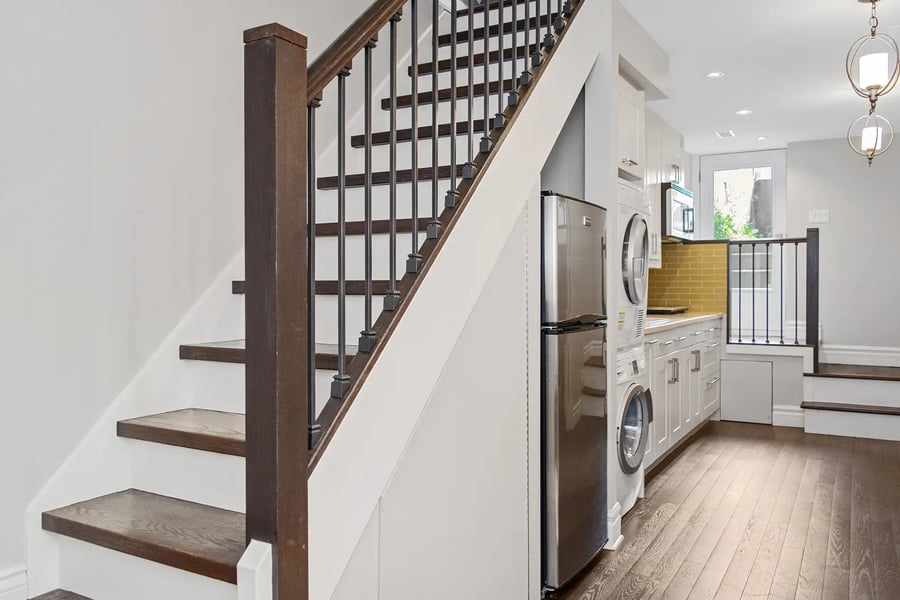
Century homes settle, and their framing and foundations were built to standards a hundred years old. We reinforce floors and ceilings, install beams to open up load-bearing walls, and bring in the right engineers to keep everything safe and code-compliant.
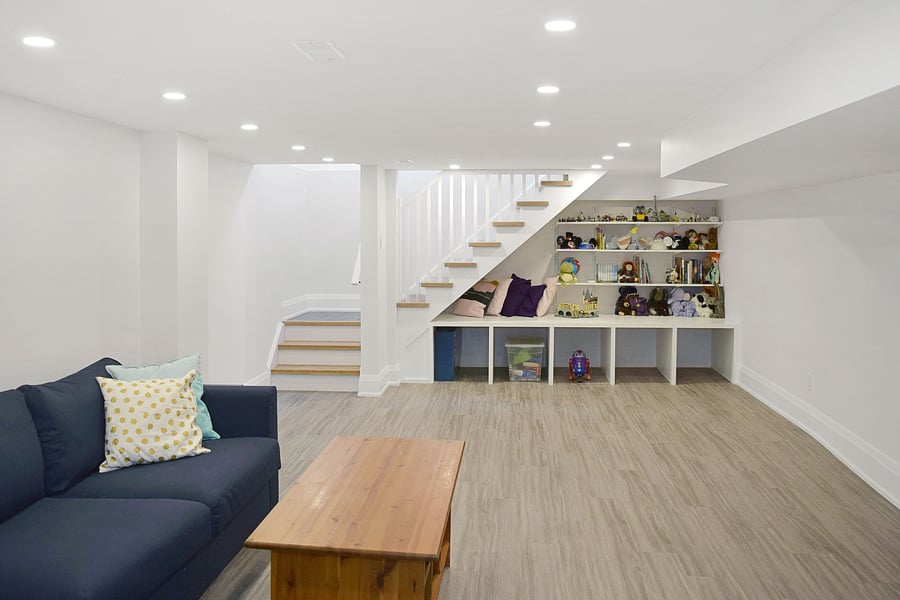
One of the highest-value upgrades for an older Toronto home is gaining real headroom and livable space below grade. We underpin foundations to lower basements, creating the height for finished living areas, in-law suites, or legal secondary suites.
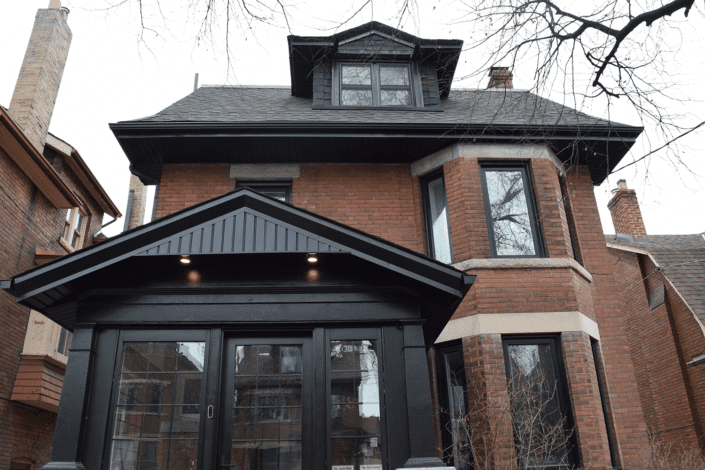
A home's street presence is its character. We restore brick and masonry, repair and rebuild porches, and protect the exterior detailing that defines Victorian and Edwardian homes—so the front of your home looks right for its era.
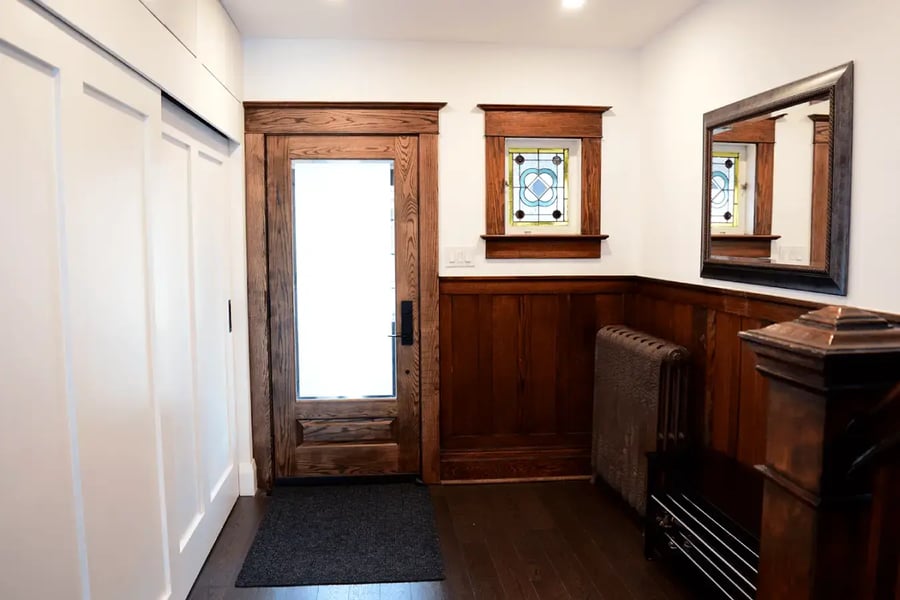
Renovating a century home in Toronto is a different discipline from working on a newer property. Here's what experienced older-home renovation actually involves—and how we manage each of it.
Knob-and-tube wiring, undersized plumbing, old insulation (sometimes none), and concealed water or structural damage are common. Our pre-construction process includes careful exploratory work before pricing is locked in, so surprises become plans instead of panic.
Balloon framing, rubble or brick foundations, and undersized joists are normal in homes this age. We bring in the right engineers and trades to reinforce and underpin properly—especially important when you're opening up walls or finishing a basement.
Original trim, mouldings, plaster, stained glass, and staircases give these homes their value. Where it makes sense, we restore them. Where pieces are missing or beyond saving, we work with local millwork shops to replicate the profiles so old and new are seamless.
Insulation, HVAC, electrical, and energy upgrades have to be routed thoughtfully through a structure that wasn't designed for them. Done well, the comfort is obvious and the intervention is invisible.
Downtown older homes come with narrow streets, tight parking, close neighbours, and sometimes heritage review. We handle the permitting and the logistics, and we treat your neighbours and your block with respect throughout.
Direct answer: The biggest differences when renovating an older Toronto home are hidden conditions (old wiring, plumbing, and structure), the need to preserve original detailing, and integrating modern systems into a structure that wasn't built for them. A thorough pre-construction process is the single most important thing that keeps these projects on budget and on time.
We have spent more than five decades renovating Toronto's older homes. That's not a marketing line—it's how long we've been learning where century homes fail, what's worth saving, and how to bring them into the present without losing their soul.

Unlike general contractors who treat older homes as a side project, century and heritage properties are our specialty. We understand period construction, original detailing, and the structural realities of homes built a hundred years ago.

We are fully licensed and insured, and a RenoMark-verified renovator—meaning we adhere to a professional code of conduct and provide the warranties, permits, and written contracts that protect you.
We provide clear, fixed-price estimates so you know your investment up front. Our pricing reconciles with our published Toronto Renovation Cost Guide, and our pre-construction process removes guesswork and hidden costs before a wall is ever opened.

Our reputation is backed by real reviews and recognized standards. We're a HomeStars-verified contractor and hold an A+ rating with the Better Business Bureau, alongside a strong Houzz presence—third-party proof of how we treat our clients.

Our clients consistently tell the same story: we deliver what we promise, when we promise it. Through disciplined project management and daily Buildertrend updates, we keep schedule and budget on track from demolition to final walkthrough.
Older homes reveal surprises once opened. Our thorough pre-construction planning and phased exploratory work uncover likely issues before final pricing, so unknowns become plans instead of overruns.

We stand behind our work long after the crew leaves. Every renovation is backed by a two-year warranty and genuine after-service care, because our reputation in Toronto's neighbourhoods is built on relationships, not one-off jobs.

"He gave his professional opinion as we evolved the project from finishing the basement to underpinning the foundation and building a basement apartment... He was very good at working with us to understand the tradeoffs in an objective manner." — Minora & Christoph, West Bend (100-year-old home)
Meg Riley Product Designer, Google
"We had been living in our 3-storey semi-detached house for 15 years and had slowly renovated the 100+ year old home one room at a time... The renovation looks exactly like the designs, uncannily so." — Shanna & Kevin, Corso Italia
Meg Riley Product Designer, Google
16 /month
149 /month
Typical investment
Typical Timeline
A note on these numbers: all figures are pre-tax, construction-related costs. Remember to budget an additional 13% HST, plus any temporary accommodations during construction, and a contingency for the unexpected site conditions older homes can reveal. Our pre-construction planning process is designed to surface those surprises early so they become line items, not overruns.
Why older and historic homes can cost more: investigative work up front, more frequent structural and foundation upgrades, careful (slower) demolition to protect original fabric, custom reproduction of millwork and details, and—if designated—added documentation and approvals. We price transparently with fixed-cost estimates, so there are no surprises at the end.
Direct answer: A century or older home renovation in Toronto typically runs from about $50,000 for a partial floor upgrade to $200,000–$400,000+ for a single floor and $500,000–$1,500,000+ for a whole home (pre-tax). Basement underpinning runs roughly $250,000–$400,000+. Historic and heritage-designated properties generally cost more due to investigative work, structural upgrades, and detailed craftsmanship.
We learn about your home, your goals, your timeline, and your investment range.

Detailed design, architectural drawings, careful exploratory assessment of the existing structure, realistic budget, and permits. This is where older-home risk gets managed.
Site preparation, careful demolition that protects what matters, framing, systems, and finishing—with constant communication and project tracking through Buildertrend.

We get you settled in your renewed home, backed by our two-year warranty and after-service care.

We learn about your home, your goals, your timeline, and your investment range.
Detailed design, architectural drawings, careful exploratory assessment of the existing structure, realistic budget, and permits. This is where older-home risk gets managed.
Site preparation, careful demolition that protects what matters, framing, systems, and finishing—with constant communication and project tracking through Buildertrend.
We get you settled in your renewed home, backed by our two-year warranty and after-service care.
If you're planning a renovation for your century or older home—or even in the early stages of thinking about one—we encourage you to reach out so we can learn more and offer you some valuable next steps.
Discover where homeowners like you have achieved their renovation goals in Toronto’s most vibrant neighbourhoods. From the blend of Rosedale’s historic charm with modern touches to the trendy pulse of Leslieville, each area tells a unique story about Toronto.
Our service area includes most communities within the borders of Toronto, but we have done the majority of our work in the following neighbourhoods.
The Annex
Bloor West Village
Danforth
Etobicoke
Forest Hill
High Park
The Junction
The Kingsway
Lawrence Park
Leslieville
Riverdale
Roncesvalles
Rosedale
Summerhill
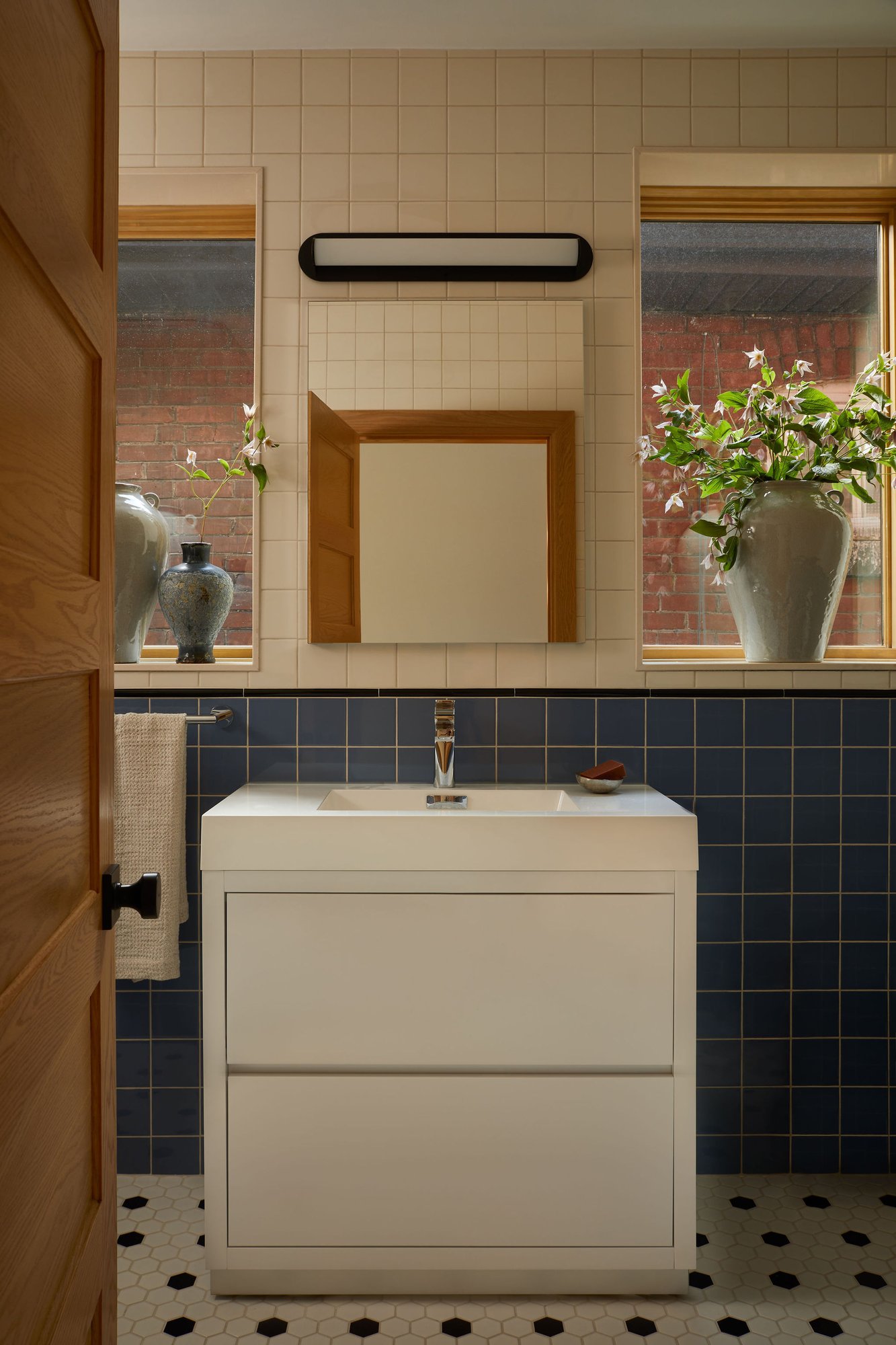
A heritage home can be officially designated under the Ontario Heritage Act (legally protected), listed on the City's Heritage Register (recognized but with limited control), or located within a Heritage Conservation District (where the neighbourhood's character is protected). Separately, Toronto has thousands of century homes—roughly 100+ years old—that carry no official designation but are built like heritage properties: original masonry, hand-built framing, plaster, and historic millwork. These need the same expertise even without a legal designation.
You can. Heritage renovation is often encouraged because it extends the life of the building. Restrictions usually focus on elements visible from the street—façades, rooflines, and window patterns. Within those limits there's considerable room to upgrade structure and systems, improve energy performance, reconfigure interiors, and even add space.
In most cases, yes. Additions are possible on older and heritage homes when they're designed to respect the scale and massing of the original house and use complementary materials. Designated and Conservation District properties require more design work and a more detailed submission, but a well-conceived addition can dramatically improve function while keeping the home's character intact.
Yes. Replicating original detail is one of the most rewarding parts of older-home work. Working with local millwork shops and skilled trades, we match historic trim and casing profiles, recreate panelling and built-ins, and integrate new elements that align with the home's original architectural language.
Older homes need investigative work up front, more frequent structural and foundation upgrades, careful (and slower) demolition to protect original materials, and custom reproduction of details. Designated properties add documentation and approval costs. The upside: a thorough pre-construction process turns most of these unknowns into a clear, priced plan.
Common surprises include concealed structural deficiencies, knob-and-tube or unsafe wiring, undersized plumbing, hidden water damage, and past renovations that don't meet current code. We manage this with thorough pre-construction planning and phased exploratory work, so we uncover likely issues before final pricing. When something does come up, we present clear options with cost and schedule implications—no surprises at the end.
Sometimes—it depends entirely on the scope. Smaller, contained projects often allow it; major or whole-home renovations usually mean relocating for safety and speed. We'll walk you through the realistic options for your specific project. (We cover this in depth in our guide: "Can I Live in My Home During a Toronto Renovation or Addition?")
Only if your home is heritage-designated and the work affects a protected feature, or if you're in a Conservation District and the work is visible from the street. Many older Toronto homes are not designated at all. We help you confirm your home's status early so you know exactly what's required.
Whether you're planning a full restoration, opening up a tired layout, or just starting to think about what's possible, we'd love to hear about your home. Reach out and we'll offer some valuable next steps.