

Wondering if you can stay in your home during a Toronto renovation? We break down when it works, when to move out, and how to decide.
Most people hire a general contractor only a handful of times in their lives. Contractors, on the other hand, answer the same questions every day—which means a good one should have clear, confident, honest answers ready.
The questions below are the ones that actually separate a trustworthy Toronto contractor from a risky one. Some are uncomfortable to ask. That's the point. How a contractor responds—whether they get defensive or get specific—tells you almost everything you need to know. To show you what good answers sound like, we've answered each one ourselves, the way we would in your living room.
Direct answer: Before hiring a Toronto contractor, ask about total cost and what's included, realistic timelines, licensing and insurance, who will be on site daily, how they handle hidden problems and change orders, whether you can live at home during the work, how they communicate, and what warranty they provide. Clear, specific answers signal a contractor you can trust.

This is the question on everyone's mind, and a good contractor won't dodge it—but they also won't pretend a real number is possible before understanding your home and scope.
How we answer it: Costs vary widely with scope, materials, and the complexity of an older home, so we give you honest ranges up front and a fixed-cost estimate once the scope is clear. For planning, here are the pre-tax ranges from our Toronto Renovation Cost Guide:
| Project type | Typical investment (pre-tax) |
|---|---|
| Partial floor upgrade / facelift | $50,000 – $200,000+ |
| Single-floor full renovation | $200,000 – $400,000+ |
| Whole-home full renovation | $500,000 – $1,500,000+ |
| Single-storey addition | $100,000 – $300,000+ |
| Multi-storey addition | $200,000 – $600,000+ |
| Basement renovation / secondary suite | $50,000 – $200,000+ |
| Basement renovation with underpinning | $250,000 – $400,000+ |
| Kitchen renovation | $50,000 – $300,000+ |
| Bathroom renovation | $50,000 – $100,000+ |
Remember these figures are pre-tax; budget an additional 13% HST, plus a contingency and any temporary accommodation. The key is that the number you're quoted should be tied to a clearly defined scope—not a vague guess designed to win the job and creep up later.
Timelines tell you whether a contractor is being realistic or just telling you what you want to hear. Beware anyone promising a whole-home renovation in a few weeks.
How we answer it: It depends on scope, but as a guide, single-floor renovations typically run 3–6 months and whole-home renovations 6–12 months or more, with permitting and material availability factored in. We commit to a timeline during pre-construction and then work to hold it. One client's kitchen gut-and-rebuild was quoted at 12 weeks with six or seven trades involved—and it finished on time. A realistic timeline you can plan your life around beats an optimistic one that slips every week.
If a contractor hesitates here, stop. This is non-negotiable, and it protects you from enormous liability.
How we answer it: Oriel is fully licensed and insured, RenoMark-verified, HomeStars-verified, and BBB A+ rated. Those aren't just badges—RenoMark members commit to a professional code of conduct, written contracts, and warranties, and our third-party reviews are public for you to read. Always confirm a contractor's credentials and ask to see proof, not just a logo on a website.
Some companies sell you on a charming owner, then hand your project to a rotating cast of unfamiliar subtrades. You deserve to know who will be in your home.
How we answer it: Your project is run by Oriel's own carpenters and site supervisors, supported by a network of designers and trade partners—many of whom we've worked alongside for 20+ years. Clients routinely tell us the crew was "professional, courteous, respectful of our space, our needs, and our neighbours." Consistency of people is consistency of quality, especially in older homes where one day's discovery informs the next.
In a century home, the question isn't if something unexpected turns up—it's when. How a contractor handles it is everything.
How we answer it: We get ahead of it. Our pre-construction process includes careful exploratory work to uncover likely issues—old wiring, hidden water damage, structural deficiencies—before pricing and scheduling are locked in. When something does surface mid-project, we bring it to you with clear options and the cost and schedule implications of each, then proceed once you've decided. As one client noted, when a delivery truck damaged their driveway, "Jacob took ownership right away and got it fixed." Ownership, not excuses.
This is where trust is won or lost. Vague answers here are a warning sign.
How we answer it: Any change—whether you request it or the home demands it—is documented with a clear estimate of additional cost before the work proceeds. One client put it simply: "When there were changes or alterations, we were given an estimate of additional costs so there were no surprises at the end." You should always know what something will cost before it's done, never after.
The honest answer to this question reveals whether a contractor is thinking about your life or just the build.
How we answer it: Sometimes—it depends on the scope. Contained projects like a single bathroom or a basement finish often allow it; whole-home or full-floor renovations usually mean relocating for safety and speed. We'll give you a straight recommendation for your specific project, and if moving out is the smart call, we help you time it to keep the disruption short. (We cover this in depth in our guide: Can I Live in My Home During a Toronto Renovation or Addition?)
A renovation can feel like a black box. The right contractor makes it transparent.
How we answer it: You'll have daily visibility through Buildertrend, our project-management platform—what's planned, what was done, who's coming, photos, and any issues, all from your phone. Clients tell us this was one of the most reassuring parts of working with us: no chasing updates, no guessing. Ask any contractor exactly how and how often you'll hear from them, and what tools they use.
Plenty of contractors disappear at the final invoice. Ask what happens after.
How we answer it: Every Oriel renovation comes with a two-year warranty and after-service care. As a family-run company working in the same neighbourhoods we live in, we're easy to find and we stand behind our work. A contractor's willingness to support you after the cheque clears tells you how they really think about their reputation.
Every question on this list is really asking the same thing: Can I trust you with my home? You're not looking for the contractor with the slickest answers—you're looking for the one whose answers are specific, honest, and consistent, even when the question is hard.
If you're interviewing contractors for a Toronto renovation, we'd welcome these questions. Ask us anything.
Ask about total cost and what's included, a realistic timeline, licensing and insurance, who will be on site daily, how they handle hidden problems and change orders, whether you can stay in your home during the work, how they'll communicate, and what warranty they offer.
Pre-tax, partial floor upgrades start around $50,000, single-floor renovations run $200,000–$400,000+, and whole-home renovations range from $500,000 to $1,500,000+. Add 13% HST plus contingency. Final cost depends on scope, materials, and the home's condition.
Look for proper licensing and insurance, third-party verification (RenoMark, HomeStars, BBB), transparent fixed-cost pricing, clear communication, written change-order practices, and a warranty—plus references and reviews from past clients.
Yes—getting quotes is always wise. Just be sure you're comparing the same scope, and look beyond the lowest number to what's actually included, the contractor's track record, and how clearly they communicate.
A written, scope-based estimate protects both you and the contractor. It defines what's included, prevents misunderstandings, and means any changes are priced and approved before the work is done—so there are no surprises at the end.
Choosing a contractor is a big decision, and good questions make it easier. If you'd like to put these to us directly, reach out anytime.

Wondering if you can stay in your home during a Toronto renovation? We break down when it works, when to move out, and how to decide.
Planning a Toronto renovation or addition? Learn whether you need an architect or interior designer and how to get started.

Discover bathroom renovation costs in Toronto. Explore pricing by type, square foot, and area with Oriel Renovations’ expert guidance.
![How Much Will My Outdoor Space Renovation Cost in Toronto? [2026]](https://orielrenovations.com/hs-fs/hubfs/Oriel%20Renovations%20Theme%202025/Blog/how-much-will-my-outdoor-space-renovation-cost-in-toronto.webp?width=1210&height=423&name=how-much-will-my-outdoor-space-renovation-cost-in-toronto.webp)
Learn outdoor renovation costs in Toronto including decks, patios, and custom features to help you plan with confidence.

Toronto laneway house and garden suite costs explained. Learn pricing, key factors, and what to expect before you build.

Understand fixed cost vs cost plus renovation pricing in Toronto. Learn which model gives you better budget control.
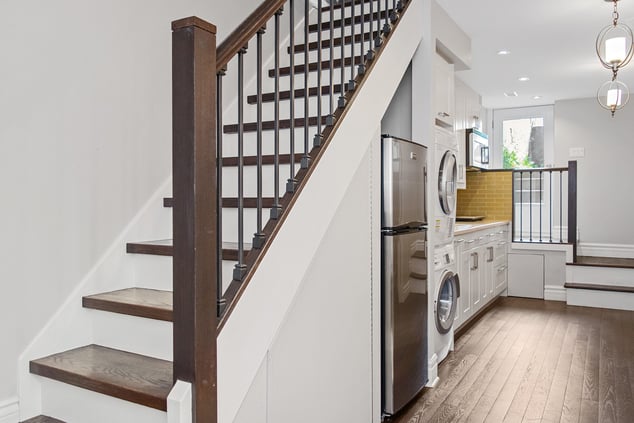
Discover home addition costs in Toronto. Learn pricing by type, size, and key factors to plan your renovation confidently.
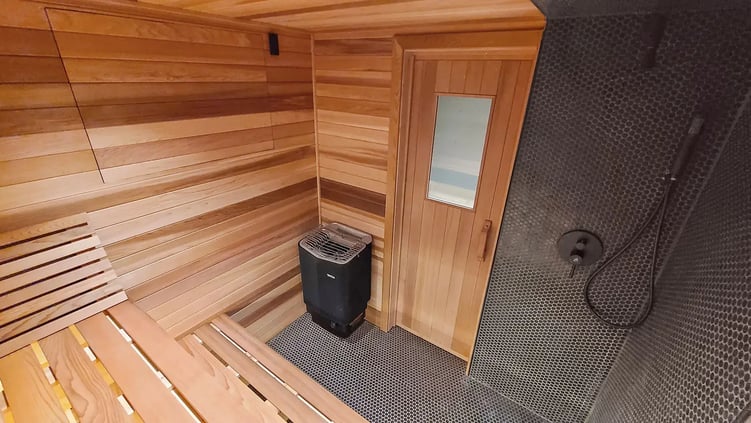
Toronto home saunas bring affordable luxury and wellness home. Discover placement, materials, and heating options for your perfect relaxation space.

Transform your Toronto kitchen with smart design, modern finishes, and quality craftsmanship that elevate everyday living.
![5 Things to Look for in a Toronto Renovation Company [Only a Few Have #3]](https://orielrenovations.com/hs-fs/hubfs/Imported_Blog_Media/DSC_0218.png?width=1210&height=423&name=DSC_0218.png)
Find the right Toronto renovation company with these top tips on quality, communication, and expertise.
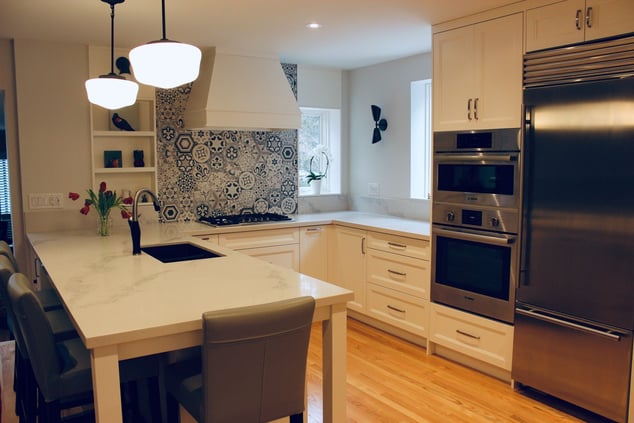
Discover the most important things to know before renovating your Toronto home, from permits to budgeting and design.
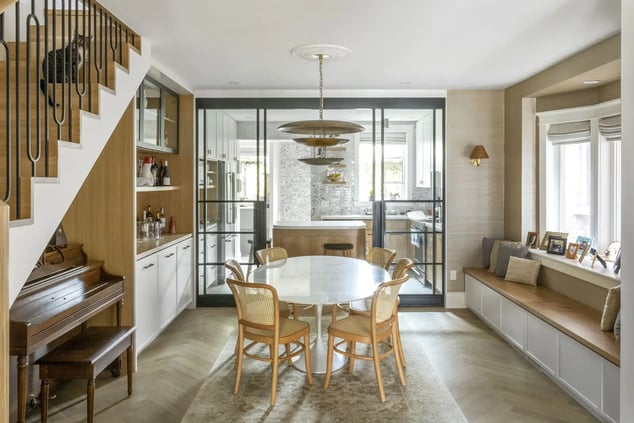
Discover home renovation costs in Toronto. See pricing by room and what impacts your budget before you start your remodel.
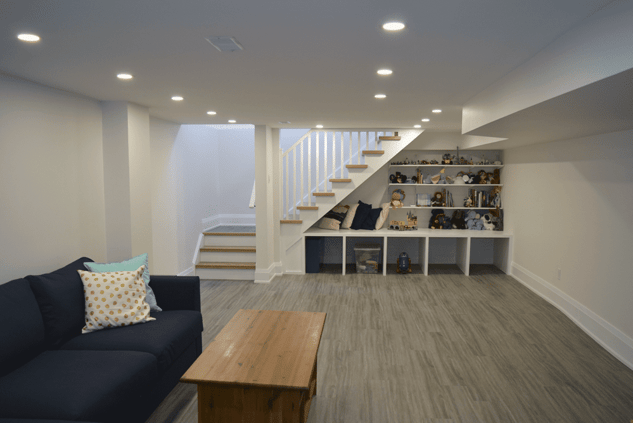
Discover basement renovation costs in Toronto. Learn price ranges, key factors, and how to plan your lower-level remodel.
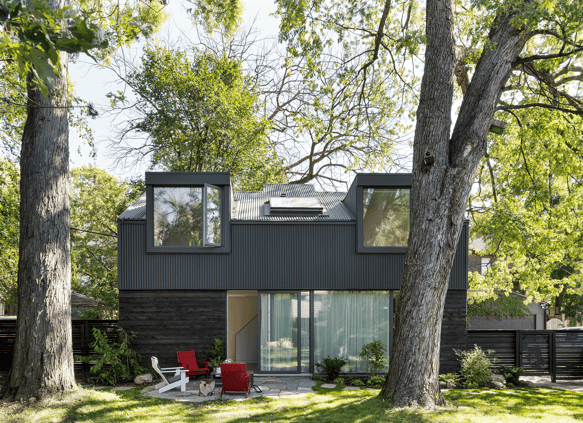
Plan a laneway house or garden suite in Toronto with confidence. Explore costs, bylaws, features, and Oriel Renovations' design build process.
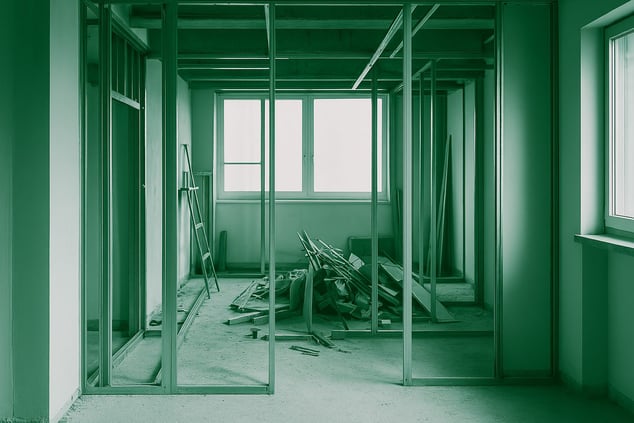
Avoiding renovation nightmares in Toronto boils down to meticulous planning and clear communication. Many issues arise from rushing into projects without a clear understanding of the scope, which leads to unrealistic timelines and budgets. By comprehensively understanding your renovation project through a Pre-construction Process, you can set a solid foundation. Proper documentation and clear, ongoing communication further safeguard against common pitfalls, ensuring your renovation dream doesn’t turn into a distressing reality.

From pre-construction planning to the final walkthrough, learn how long a Toronto home renovation takes and what to expect at every stage of the process.

Keep your older Toronto home renovation on time with smart planning, permits, and clear communication to avoid delays and budget issues.
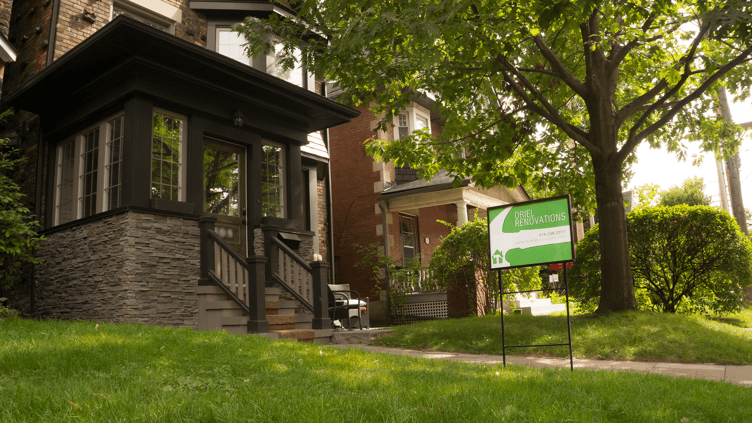
Guide to older and century home renovations in Toronto. Learn about costs, challenges, permits, and how to plan your renovation.