---
title: What You Should Know About Renovating Older Century Homes in Toronto
description: Guide to older and century home renovations in Toronto. Learn about costs, challenges, permits, and how to plan your renovation.
image: https://orielrenovations.com/hubfs/Imported_Blog_Media/old-home-cover-clean.png
---
[Skip to main content](https://orielrenovations.com/toronto-renovation-blog/what-you-should-know-about-renovating-older-century-homes-in-toronto#main-content)
416-236-2277
[   ](https://orielrenovations.com/)
- [Show submenu for Services Services](https://orielrenovations.com/toronto-home-renovation-services)
- [Century Home Renovations](https://orielrenovations.com/toronto-century-and-older-home-renovations)
- [Major Renovations](https://orielrenovations.com/toronto-home-renovation-services/toronto-major-home-renovations)
- [Home Additions](https://orielrenovations.com/toronto-home-renovation-services/toronto-home-additions)
- [Kitchen Renovations](https://orielrenovations.com/toronto-home-renovation-services/toronto-kitchen-renovations)
- [Basement Renovations](https://orielrenovations.com/toronto-home-renovation-services/toronto-basement-renovation-services)
- [Laneway Houses & Garden Suites](https://orielrenovations.com/toronto-home-renovation-services/toronto-laneway-houses-and-garden-suites)
- [Custom Millwork](https://orielrenovations.com/toronto-home-renovation-services/toronto-custom-millwork)
- [Bathroom Renovations](https://orielrenovations.com/toronto-bathroom-renovations)
- [Decks, Porches and Backyards](https://orielrenovations.com/toronto-home-renovation-services/toronto-decks-porches-and-backyard-spaces)
- [Projects](https://orielrenovations.com/projects-and-testimonials)
- [Show submenu for About About](https://orielrenovations.com/about)
- [About Us](https://orielrenovations.com/about)
- [Process](https://orielrenovations.com/our-process)
- [Service Area](https://orielrenovations.com/service-area)
- [FAQ](https://orielrenovations.com/faq)
- [Blog](https://orielrenovations.com/toronto-renovation-blog)
- [Architects](https://orielrenovations.com/about/collaborating-with-toronto-architects-and-designers)
- [Contact](https://orielrenovations.com/contact-us)
- Show submenu for Services Services
- [Services](https://orielrenovations.com/toronto-home-renovation-services)
- [Century Home Renovations](https://orielrenovations.com/toronto-century-and-older-home-renovations)
- [Major Renovations](https://orielrenovations.com/toronto-home-renovation-services/toronto-major-home-renovations)
- [Home Additions](https://orielrenovations.com/toronto-home-renovation-services/toronto-home-additions)
- [Kitchen Renovations](https://orielrenovations.com/toronto-home-renovation-services/toronto-kitchen-renovations)
- [Basement Renovations](https://orielrenovations.com/toronto-home-renovation-services/toronto-basement-renovation-services)
- [Laneway Houses & Garden Suites](https://orielrenovations.com/toronto-home-renovation-services/toronto-laneway-houses-and-garden-suites)
- [Custom Millwork](https://orielrenovations.com/toronto-home-renovation-services/toronto-custom-millwork)
- [Bathroom Renovations](https://orielrenovations.com/toronto-bathroom-renovations)
- [Decks, Porches and Backyards](https://orielrenovations.com/toronto-home-renovation-services/toronto-decks-porches-and-backyard-spaces)
- [Projects](https://orielrenovations.com/projects-and-testimonials)
- Show submenu for About About
- [About](https://orielrenovations.com/about)
- [About Us](https://orielrenovations.com/about)
- [Process](https://orielrenovations.com/our-process)
- [Service Area](https://orielrenovations.com/service-area)
- [FAQ](https://orielrenovations.com/faq)
- [Blog](https://orielrenovations.com/toronto-renovation-blog)
- [Architects](https://orielrenovations.com/about/collaborating-with-toronto-architects-and-designers)
- [Contact](https://orielrenovations.com/contact-us)
Blog
Categories
- [Blog](https://orielrenovations.com/toronto-renovation-blog/tag/blog)
- [Planning](https://orielrenovations.com/toronto-renovation-blog/tag/planning)
- [Time](https://orielrenovations.com/toronto-renovation-blog/tag/time)
- [time-2](https://orielrenovations.com/toronto-renovation-blog/tag/time-2)
- [Home Additions](https://orielrenovations.com/toronto-renovation-blog/tag/home-additions)
- [Home Renovations](https://orielrenovations.com/toronto-renovation-blog/tag/home-renovations)
- [Basement](https://orielrenovations.com/toronto-renovation-blog/tag/basement)
- [Kitchen Renovations](https://orielrenovations.com/toronto-renovation-blog/tag/kitchen-renovations)
- [time-1](https://orielrenovations.com/toronto-renovation-blog/tag/time-1)
# What You Should Know About Renovating Older Century Homes in Toronto
If you own a century home in Toronto, you already know it is full of character. But behind that charm often comes a long list of challenges. From uneven floors to outdated systems, renovating an older home is not a simple update. It is a detailed process that requires planning, expertise, and a clear understanding of how these homes were built.
Older home renovations in Toronto are uniquely complex. Many properties were built over 100 years ago using methods and materials that differ significantly from modern construction. This guide will walk you through what to expect, what to look out for, and how to approach your renovation with confidence.
## The Advantages of Older and Century Homes in Toronto
There is a reason so many homeowners are drawn to older homes in Toronto. These properties offer a level of character and craftsmanship that is difficult to replicate today.
Many century homes were built with solid masonry, including double brick construction and dimensional lumber framing. These materials contribute to long-term durability and can provide natural insulation benefits. With the right upgrades, these homes can be made significantly more energy efficient while maintaining their original charm.
Older homes also offer design opportunities that newer builds often lack. From high ceilings and detailed trim to unique layouts, they provide a strong foundation for thoughtful, personalized renovations. When approached properly, century home renovations in Toronto can deliver the best of both worlds by combining historic character with modern comfort.
## Common Challenges in Older Home Renovations in Toronto
While older homes offer many advantages, they also come with hidden complexities that must be addressed during renovation.
### Outdated Electrical Systems
Many older Toronto homes still contain knob and tube wiring or outdated electrical panels. These systems are not designed to support modern electrical demands and can create safety concerns. They can also make it difficult to obtain insurance coverage.
Upgrading electrical systems is often one of the first steps in renovating old homes in Toronto, ensuring safety, functionality, and compliance with current standards.
### Hazardous Materials Like Asbestos and Lead
Asbestos and lead-based materials were commonly used in older homes. These can be found in insulation, plaster, tiles, and ductwork.
Before beginning any demolition, it is critical to have your home assessed by a qualified professional. Safe removal or containment is essential to protect both your health and the integrity of your renovation project.
### Structural Considerations and Foundation Issues
Over time, foundations can settle, shift, or weaken due to water damage and soil conditions. In Toronto, some homes were built on filled land or near former waterways, which can contribute to long-term structural movement.
Working with a structural engineer is an important step when planning older home renovations in Toronto. This allows you to identify necessary reinforcements and ensure your renovation is built on a solid foundation.
### Framing Limitations and Layout Constraints
Many older homes were built using balloon framing, which differs from modern framing methods. This can affect how walls can be opened, removed, or modified.
Additionally, previous renovations may have altered structural elements in ways that are not immediately visible. Understanding these limitations early in the design phase helps avoid costly changes later.
### Aging Plumbing Systems
Older plumbing systems often include galvanized steel or lead pipes, which are prone to corrosion and can affect water quality.
Updating plumbing is a key component of century home renovations in Toronto. Modern systems improve reliability, water pressure, and overall performance while reducing the risk of leaks and long-term damage.
### Outdated Heating and Cooling Systems
Heating and cooling systems in older homes are often inefficient or improperly sized. You may encounter outdated boilers, radiators, or unconventional furnace locations.
Upgrading HVAC systems can improve comfort, energy efficiency, and usable space within the home. It also allows for better integration with modern layouts and design.
### Poor Insulation and Energy Efficiency
Most older homes in Toronto were built with little to no insulation. Combined with older windows and air gaps, this leads to significant heat loss in the winter and reduced comfort year-round.
Renovating older homes provides the opportunity to improve insulation, upgrade windows, and create a more efficient building envelope. These upgrades not only improve comfort but also reduce long-term energy costs.
### The Impact of Previous Renovations
Many older homes have undergone multiple renovations over the years, some of which may not have been completed to modern standards.
Unpermitted work, outdated techniques, or hidden issues can complicate your renovation. A thorough assessment by experienced professionals is essential to identify what can be retained and what needs to be corrected.

## Pre-construction planning can help mitigate your risks
Engaging in a thorough pre-construction process is the key to evaluating these aspects effectively and developing a clear understanding of the costs before you begin extensive renovations of your home.
[Learn More](https://orielrenovations.com/toronto-home-renovation-services/pre-construction-process-reduces-your-risk/)
## Heritage, zoning and navigating permits
## Planning Is the Key to a Successful Renovation
One of the most important steps in any Toronto home renovation is pre-construction planning. This phase allows you to fully understand the scope of your project, identify potential risks, and establish a clear budget.
Older home renovations in Toronto benefit greatly from detailed planning because of the unknowns that can exist behind walls and under floors. A thoughtful approach helps minimize surprises and ensures a smoother construction process.
## Permits, Zoning, and Heritage Considerations
Renovating a century home in Toronto often involves navigating permits, zoning regulations, and sometimes heritage restrictions.
If your home is designated as a heritage property, there may be limitations on what changes can be made to the exterior or specific architectural features. Even without heritage designation, many projects require building permits and must comply with local zoning bylaws.
Factors such as lot size, setbacks, and shared walls can also influence what is possible. Working with a knowledgeable renovation team helps ensure your project meets all regulatory requirements and avoids delays.
## Balancing Historic Character with Modern Living
One of the most rewarding aspects of renovating an older home is the ability to blend traditional character with modern design.
Many homeowners choose to preserve original features such as fireplaces, trim, or stained glass, while updating layouts and finishes for contemporary living. This balance allows your home to feel both timeless and functional.
Century home renovations in Toronto are not about removing history. They are about enhancing it in a way that supports how you live today.
## Adding Value Through Thoughtful Renovation
A well-planned renovation can significantly increase both the value of your home and your enjoyment of it.
Common value-adding upgrades include:
- Kitchen and bathroom renovations
- Open concept main floor layouts
- Basement underpinning and finishing
- Attic or third-floor conversions
- Secondary suites such as laneway or garden suites
These improvements not only enhance daily living but also contribute to long-term resale value in the Toronto market.
## Why Work with a Professional for Older Home Renovations in Toronto
Renovating an older home requires a different level of expertise than working on a newer property. From structural considerations to heritage requirements, every decision needs to be carefully planned and executed.
Working with an experienced Toronto renovation contractor ensures that your project is handled with care, precision, and a deep understanding of older homes. A thoughtful, design-driven approach helps reduce risk, improve outcomes, and create a home that feels both beautiful and functional.
## Start Planning Your Century Home Renovation in Toronto
Renovating an older home in Toronto is a complex but rewarding process. With the right planning, team, and approach, you can transform your home into a space that reflects your lifestyle while preserving its unique character.
At Oriel Renovations, we specialize in older home and century home renovations in Toronto. We understand the challenges, the opportunities, and the level of care these homes require.
If you are considering a renovation, we would be happy to talk through your goals and help you take the next step.
**Contact us today to start planning your renovation.**
[Request a Consultation](https://orielrenovations.com/contact-us-2/)
## Read More Oriel Insights

[](https://orielrenovations.com/toronto-renovation-blog/should-you-hire-a-toronto-architect-or-interior-designer-for-your-renovation-or-addition)
[Should You Hire a Toronto Architect or Interior Designer for Your Renovation or Addition?](https://orielrenovations.com/toronto-renovation-blog/should-you-hire-a-toronto-architect-or-interior-designer-for-your-renovation-or-addition)
May 25, 2026
Planning a Toronto renovation or addition? Learn whether you need an architect or interior designer and how to get started.
[Read more](https://orielrenovations.com/toronto-renovation-blog/should-you-hire-a-toronto-architect-or-interior-designer-for-your-renovation-or-addition)
[](https://orielrenovations.com/toronto-renovation-blog/how-much-does-a-bathroom-renovation-cost-in-toronto)
[How Much Does a Bathroom Renovation Cost in Toronto in 2026?](https://orielrenovations.com/toronto-renovation-blog/how-much-does-a-bathroom-renovation-cost-in-toronto)
September 22, 2025
Discover bathroom renovation costs in Toronto. Explore pricing by type, square foot, and area with Oriel Renovations’ expert guidance.
[Read more](https://orielrenovations.com/toronto-renovation-blog/how-much-does-a-bathroom-renovation-cost-in-toronto)
[![How Much Will My Outdoor Space Renovation Cost in Toronto? \[2026\]](https://orielrenovations.com/hs-fs/hubfs/Oriel%20Renovations%20Theme%202025/Blog/how-much-will-my-outdoor-space-renovation-cost-in-toronto.webp?width=1210&height=423&name=how-much-will-my-outdoor-space-renovation-cost-in-toronto.webp)](https://orielrenovations.com/toronto-renovation-blog/how-much-will-my-outdoor-space-renovation-cost-in-toronto)
[How Much Will My Outdoor Space Renovation Cost in Toronto? \[2026\]](https://orielrenovations.com/toronto-renovation-blog/how-much-will-my-outdoor-space-renovation-cost-in-toronto)
May 28, 2025
Learn outdoor renovation costs in Toronto including decks, patios, and custom features to help you plan with confidence.
[Read more](https://orielrenovations.com/toronto-renovation-blog/how-much-will-my-outdoor-space-renovation-cost-in-toronto)
[](https://orielrenovations.com/toronto-renovation-blog/what-is-the-cost-of-a-laneway-house-or-garden-suite-in-toronto)
[What is the Cost of a Laneway House or Garden Suite in Toronto in 2026?](https://orielrenovations.com/toronto-renovation-blog/what-is-the-cost-of-a-laneway-house-or-garden-suite-in-toronto)
February 24, 2025
Toronto laneway house and garden suite costs explained. Learn pricing, key factors, and what to expect before you build.
[Read more](https://orielrenovations.com/toronto-renovation-blog/what-is-the-cost-of-a-laneway-house-or-garden-suite-in-toronto)
[](https://orielrenovations.com/toronto-renovation-blog/fixed-cost-vs-cost-plus)
[Fixed Cost vs. Cost Plus: What’s the Intelligent Choice for Your Toronto Home Renovation](https://orielrenovations.com/toronto-renovation-blog/fixed-cost-vs-cost-plus)
February 24, 2025
Understand fixed cost vs cost plus renovation pricing in Toronto. Learn which model gives you better budget control.
[Read more](https://orielrenovations.com/toronto-renovation-blog/fixed-cost-vs-cost-plus)
[](https://orielrenovations.com/toronto-renovation-blog/toronto-home-addition-cost)
[How Much Does a Home Addition Cost in Toronto in 2026?](https://orielrenovations.com/toronto-renovation-blog/toronto-home-addition-cost)
January 01, 2025
Discover home addition costs in Toronto. Learn pricing by type, size, and key factors to plan your renovation confidently.
[Read more](https://orielrenovations.com/toronto-renovation-blog/toronto-home-addition-cost)
[](https://orielrenovations.com/toronto-renovation-blog/toronto-saunas)
[Oriel Renovation’s Guide to Toronto Saunas: Costs, Installation, Features & More](https://orielrenovations.com/toronto-renovation-blog/toronto-saunas)
January 01, 2025
Toronto home saunas bring affordable luxury and wellness home. Discover placement, materials, and heating options for your perfect relaxation space.
[Read more](https://orielrenovations.com/toronto-renovation-blog/toronto-saunas)
[](https://orielrenovations.com/toronto-renovation-blog/toronto-kitchen-renovation-cost)
[How Much Does a Kitchen Renovation Cost in Toronto in 2026?](https://orielrenovations.com/toronto-renovation-blog/toronto-kitchen-renovation-cost)
December 29, 2024
Transform your Toronto kitchen with smart design, modern finishes, and quality craftsmanship that elevate everyday living.
[Read more](https://orielrenovations.com/toronto-renovation-blog/toronto-kitchen-renovation-cost)
[![5 Things to Look for in a Toronto Renovation Company \[Only a Few Have #3\]](https://orielrenovations.com/hs-fs/hubfs/Imported_Blog_Media/DSC_0218.png?width=1210&height=423&name=DSC_0218.png)](https://orielrenovations.com/toronto-renovation-blog/things-to-look-for-in-a-toronto-renovation-company)
[5 Things to Look for in a Toronto Renovation Company \[Only a Few Have #3\]](https://orielrenovations.com/toronto-renovation-blog/things-to-look-for-in-a-toronto-renovation-company)
December 17, 2024
Find the right Toronto renovation company with these top tips on quality, communication, and expertise.
[Read more](https://orielrenovations.com/toronto-renovation-blog/things-to-look-for-in-a-toronto-renovation-company)
[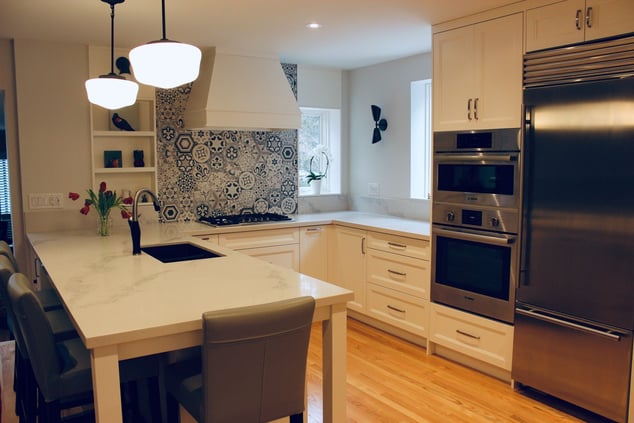](https://orielrenovations.com/toronto-renovation-blog/important-things-to-know-about-renovating-your-home-in-toronto)
[The 7 Most Important Things to Know About Renovating Your Home in Toronto in 2026](https://orielrenovations.com/toronto-renovation-blog/important-things-to-know-about-renovating-your-home-in-toronto)
December 17, 2024
Discover the most important things to know before renovating your Toronto home, from permits to budgeting and design.
[Read more](https://orielrenovations.com/toronto-renovation-blog/important-things-to-know-about-renovating-your-home-in-toronto)
[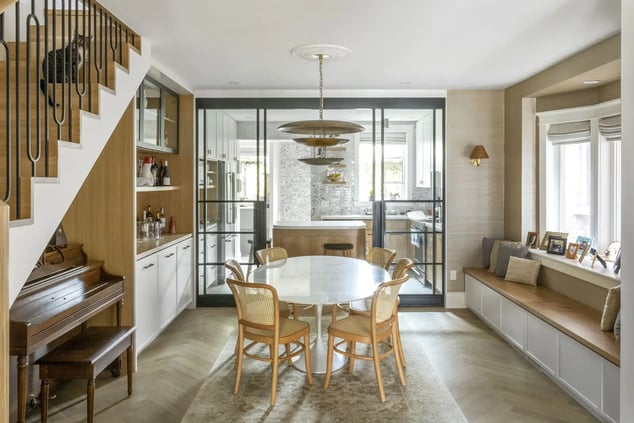](https://orielrenovations.com/toronto-renovation-blog/toronto-home-renovation-cost)
[How Much Does a Home Renovation Cost in Toronto in 2026?](https://orielrenovations.com/toronto-renovation-blog/toronto-home-renovation-cost)
November 14, 2024
Discover home renovation costs in Toronto. See pricing by room and what impacts your budget before you start your remodel.
[Read more](https://orielrenovations.com/toronto-renovation-blog/toronto-home-renovation-cost)
[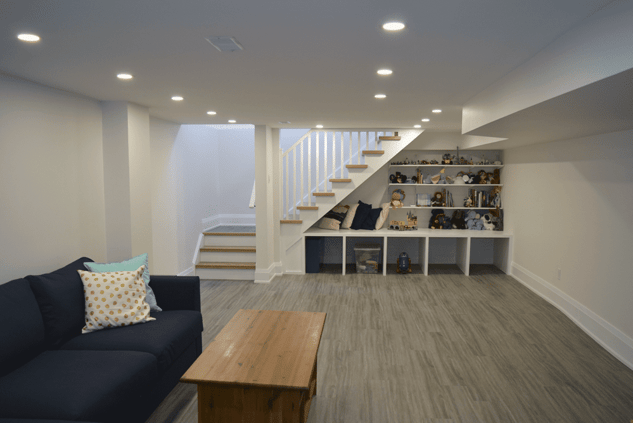](https://orielrenovations.com/toronto-renovation-blog/toronto-basement-renovation-cost)
[How Much Does a Basement Renovation Cost in Toronto in 2026?](https://orielrenovations.com/toronto-renovation-blog/toronto-basement-renovation-cost)
November 06, 2024
Discover basement renovation costs in Toronto. Learn price ranges, key factors, and how to plan your lower-level remodel.
[Read more](https://orielrenovations.com/toronto-renovation-blog/toronto-basement-renovation-cost)
[](https://orielrenovations.com/toronto-renovation-blog/guide-to-toronto-laneway-houses-and-garden-suites)
[Oriel Renovations’ Guide to Laneway Houses & Garden Suites in Toronto](https://orielrenovations.com/toronto-renovation-blog/guide-to-toronto-laneway-houses-and-garden-suites)
October 29, 2024
Plan a laneway house or garden suite in Toronto with confidence. Explore costs, bylaws, features, and Oriel Renovations' design build process.
[Read more](https://orielrenovations.com/toronto-renovation-blog/guide-to-toronto-laneway-houses-and-garden-suites)
[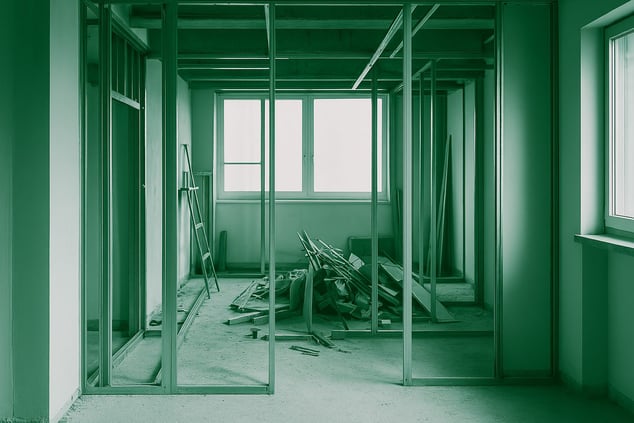](https://orielrenovations.com/toronto-renovation-blog/how-to-avoid-a-renovation-nightmare-in-toronto)
[How to Avoid a Renovation Nightmare in Toronto](https://orielrenovations.com/toronto-renovation-blog/how-to-avoid-a-renovation-nightmare-in-toronto)
April 10, 2024
Avoiding renovation nightmares in Toronto boils down to meticulous planning and clear communication. Many issues arise from rushing into projects without a clear understanding of the scope, which leads to unrealistic timelines and budgets. By comprehensively understanding your renovation project through a Pre-construction Process, you can set a solid foundation. Proper documentation and clear, ongoing communication further safeguard against common pitfalls, ensuring your renovation dream doesn’t turn into a distressing reality.
[Read more](https://orielrenovations.com/toronto-renovation-blog/how-to-avoid-a-renovation-nightmare-in-toronto)
[](https://orielrenovations.com/toronto-renovation-blog/how-long-does-a-home-renovation-project-take-in-toronto)
[How Long Does a Home Renovation Project Take in Toronto?](https://orielrenovations.com/toronto-renovation-blog/how-long-does-a-home-renovation-project-take-in-toronto)
January 15, 2024
From pre-construction planning to the final walkthrough, learn how long a Toronto home renovation takes and what to expect at every stage of the process.
[Read more](https://orielrenovations.com/toronto-renovation-blog/how-long-does-a-home-renovation-project-take-in-toronto)
[](https://orielrenovations.com/toronto-renovation-blog/how-to-ensure-your-older-toronto-home-renovation-stays-on-time)
[How to ensure your older Toronto home renovation stays on time?](https://orielrenovations.com/toronto-renovation-blog/how-to-ensure-your-older-toronto-home-renovation-stays-on-time)
January 15, 2024
Keep your older Toronto home renovation on time with smart planning, permits, and clear communication to avoid delays and budget issues.
[Read more](https://orielrenovations.com/toronto-renovation-blog/how-to-ensure-your-older-toronto-home-renovation-stays-on-time)

[](https://orielrenovations.com)
[](https://homestars.com/companies/218955-oriel-renovations?service_area=1790191)
[](https://www.bbb.org/ca/on/toronto/profile/home-renovation/oriel-renovations-0107-1417238)
[](https://www.houzz.com/pro/orielrenovations/oriel-renovations)
[](https://renomark.ca/renovator/oriel-renovations/)
## Contact
 [416-236-2277](tel:1-416-236-2277)
 [info@orielrenovations.com](mailto:info@orielrenovations.com)
 294 Garden Ave
Toronto, ON
M6R1J6
© Copyright 2026 - Oriel Renovations
- [Services](https://orielrenovations.com/toronto-home-renovation-services)
- [Projects](https://orielrenovations.com/projects-and-testimonials)
- [About](https://orielrenovations.com/about)
- [Blog](https://orielrenovations.com/toronto-renovation-blog)
- [Contact](https://orielrenovations.com/contact-us)
- [Privacy Policy](https://orielrenovations.com/privacy-policy)
-
-
```json
{
"@context" : "https://schema.org",
"@type" : "BlogPosting",
"author" : {
"@type" : "Person",
"name" : "Raphael Lopoukhine",
"url" : "https://orielrenovations.com/toronto-renovation-blog/author/raphael-lopoukhine"
},
"dateModified" : "2026-03-21T16:09:56.410Z",
"datePublished" : "2023-10-12T04:00:00.000Z",
"headline" : "What You Should Know About Renovating Older Century Homes in Toronto",
"image" : [ "https://orielrenovations.com/hubfs/Imported_Blog_Media/old-home-cover-clean.png" ],
"mainEntityOfPage" : {
"@id" : "https://orielrenovations.com/toronto-renovation-blog/what-you-should-know-about-renovating-older-century-homes-in-toronto",
"@type" : "WebPage"
},
"publisher" : {
"@type" : "Organization",
"logo" : {
"@type" : "ImageObject",
"url" : "https://orielrenovations.com/hubfs/Oriel%20Renovations%20Theme%202025/Logos/oriel-logo-colored.webp"
}
}
}
```
```json
{
"@context" : "https://schema.org",
"@id" : "https://orielrenovations.com/#business",
"@type" : "HomeAndConstructionBusiness",
"address" : {
"@type" : "PostalAddress",
"addressCountry" : "CA",
"addressLocality" : "Toronto",
"addressRegion" : "ON",
"postalCode" : "M6R 1J6",
"streetAddress" : "294 Garden Ave"
},
"areaServed" : [ {
"@type" : "Place",
"name" : "Toronto"
} ],
"email" : "info@orielrenovations.com",
"geo" : {
"@type" : "GeoCoordinates",
"latitude" : 43.6532,
"longitude" : -79.3832
},
"image" : "https://39588929.hs-sites.com/hs-fs/hubfs/Oriel%20Renovations%20Theme%202025/Logos/oriel-logo-colored.webp",
"logo" : "https://39588929.hs-sites.com/hs-fs/hubfs/Oriel%20Renovations%20Theme%202025/Logos/oriel-logo-colored.webp",
"name" : "Oriel Renovations",
"priceRange" : "$$$",
"sameAs" : [ "https://www.facebook.com/orielrenovations/", "https://www.instagram.com/oriel_renovations/" ],
"telephone" : "+1-416-236-2277",
"url" : "https://orielrenovations.com/"
}
```